
close
Generic selectors
Exact matches only
Search in title
Search in content
Post Type Selectors
Search in posts
Search in pages
product

From Chemical Synthesis to Consciousness Exploration

From Chemical Synthesis to Consciousness Exploration

Remembering Sasha & Ann Shulgin

Today marks the one-year anniversary of the passing of Ann Shulgin, a visionary whose influence continues to shape the world we live in. Alongside her, we also remember Sasha Shulgin, who departed on June 4, 2014. Together, they left an enduring legacy whose impact ripples far beyond their individual lives. Their groundbreaking work has served to deepen our understanding of consciousness and of the human experience.

The Life and Contributions of Sasha and Ann Shulgin

Sasha Shulgin, born on June 17, 1925, in California, was a visionary chemist, and it was through his wife Ann Shulgin that their collaborative work flourished. Ann Shulgin, born Ann Carol Grey, was a pioneer in her own right, providing psychedelic-assisted therapy with MDMA and 2C-B, compounds that Sasha synthesized, before they were illegal, to many in the San Francisco Bay Area using her expertise in Jungian psychoanalysis and contributing significantly to their joint endeavors.

Sasha earned his Ph.D. in biochemistry from the University of California, Berkeley, where his passion for exploring the potential of psychoactive substances began to take shape. It was during this time that Sasha and Ann first crossed paths.

Their meeting marked the beginning of a lifelong partnership that would shape the course of psychopharmacology. Together, Sasha and Ann embarked on a remarkable journey, driven by their relentless curiosity and shared fascination with the effects of psychoactive compounds on the human mind. Through their combined efforts, they synthesized and tested over 200 novel compounds, pushing the boundaries of knowledge and leaving an indelible mark on the field of psychopharmacology.

PIHKAL – Phenethylamines I Have Known and Loved

One of the most notable contributions of Sasha and Ann Shulgin was the publication of their groundbreaking book, PIHKAL. Co-authored by Sasha and Ann, PIHKAL stands for “Phenethylamines I Have Known and Loved.” This revolutionary work not only detailed the synthesis, effects, and experiences of numerous phenethylamine compounds through a developed system of self-experimentation but also showcased the deep personal connection the Shulgins had with these substances and one another. 

Explaining the reasons behind his self-experimentation with the substances he synthesized, Sasha wrote in PIHKAL, “There is no animal model that has ever been developed or, as far as I can predict, will ever be developed, for the characterization and evaluation of a psychedelic drug. Thus,  all discovery must use the human animal and I was, by default, that animal. Quite simply, as I developed new structures that might show some interesting action in the realms of thought or perception, I used myself as the experimental test subject to determine these actions”

PIHKAL was published by Transform Press, the independent publishing company Ann and Sasha founded in 1991 (now owned and led by Ann’s daughter Wendy Tucker), in order to ensure their research would not be lost or destroyed, remaining accessible and open to everyone.

TIHKAL – Tryptamines I Have Known and Loved

Building upon the success of PIHKAL, Sasha and Ann Shulgin extended their pioneering efforts with the release of their second book, TIHKAL, which stands for “Tryptamines I Have Known and Loved.” TIHKAL delved into the fascinating world of tryptamines, a class of compounds that includes well-known psychedelics like DMT, psilocybin, and LSD. Once again, the collaboration between Sasha and Ann brought together scientific rigor and personal anecdotes, providing readers with a comprehensive understanding of tryptamines, how to synthesize them, and their experiential effects.

Although Sasha and Ann were firm believers in psychedelic substances as tools for understanding the human mind, they lamented the reckless recreational use and ensuing prohibition of psychedelics in that it hindered the possibility of their legitimate use in psychotherapy. 

In a 2007 MAPS Bulletin, Ann wrote, “I think that psychedelics are great spiritual tools, but like a lot of spiritual experiences, they can take you to very, very dark places, and you can spend quite a lot of time wondering if you’re going to get through some of these experiences. So, be careful and be very respectful of your mental, emotional, and physical health. Take care of your body, and don’t take a powerful drug or plant if you’re not well.”

The Future of the Shulgin Legacy

Sasha and Ann’s legacy continues through the tireless efforts of organizations such as the Alexander Shulgin Research Institute (ASRI), run by chemist Paul Daley, and the Multidisciplinary Association for Psychedelic Studies (MAPS), a non-profit spearheading the legalization of MDMA, a compound that Sasha synthesized, for the treatment of PTSD and The Shulgin Foundation preserving the Shulgin Farm and the legacy by promoting research, education and exploration in the realms of psychedelics, chemistry, and consciousness expansion. These organizations aim to promote research, education, and responsible use of psychoactive substances, carrying forward the spirit of exploration and understanding that defined the Shulgins’ work.

Further, we at Synergetic Press are proud to be co-publishers with Transform Press, having published The Nature of Drugs, Volume 1 in 2021, and more recently, The Nature of Drugs, Volume 2.  

The Nature of Drugs series of books is based on a lecture series that Sasha Shulgin taught at San Francisco State University (SFSU). The full text was transcribed from the original lecture tapes recorded at SFSU in 1987 and will be published in three consecutive volumes. The series lays the groundwork for Sasha’s philosophy on psychopharmacology and society, what defines a drug, the nature of a person’s relationship with a given compound, and provides extensive examinations of dozens of compounds.

Additionally, we will be co-publishing Synthesis, a forthcoming collection of Ann and Sasha Shulgin’s writings and a companion to PIHKAL and TIHKAL.
All the Little Joys of Psychedelic Science 2023

All the Little Joys of Psychedelic Science 2023

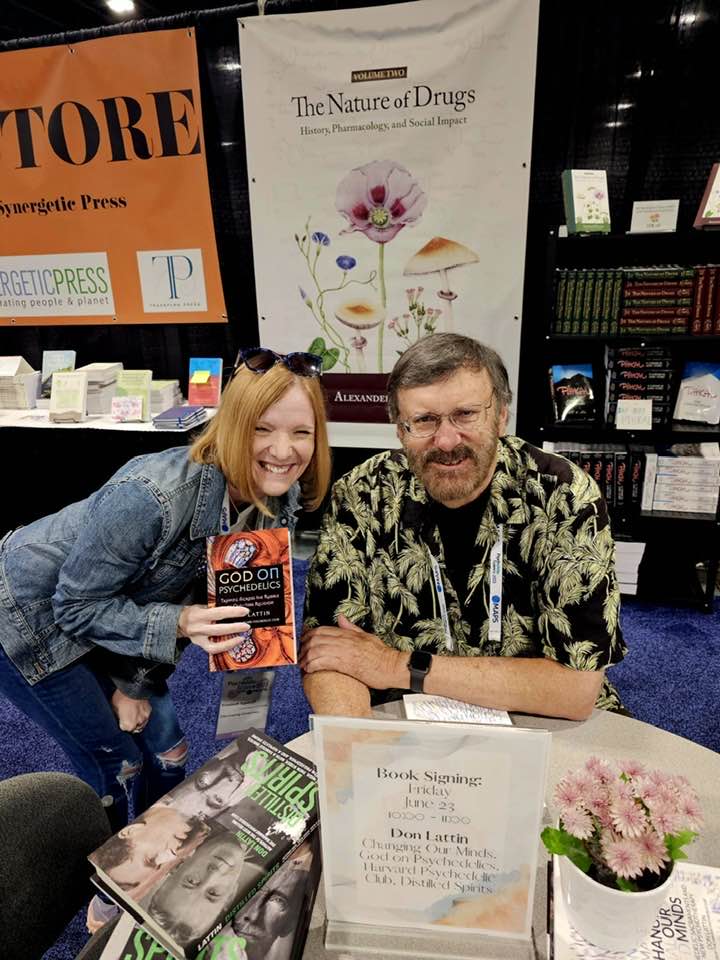
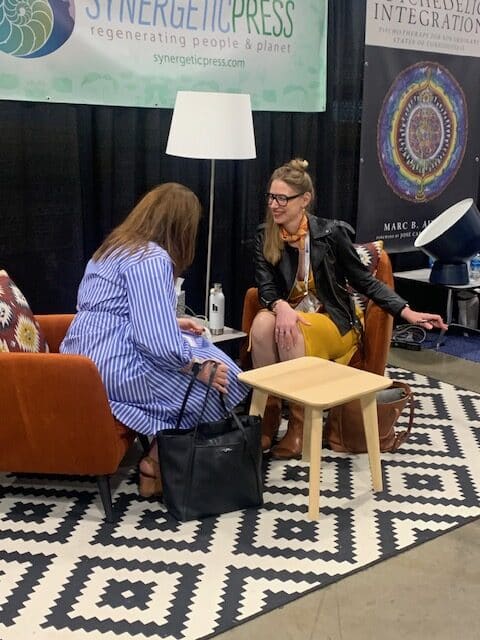
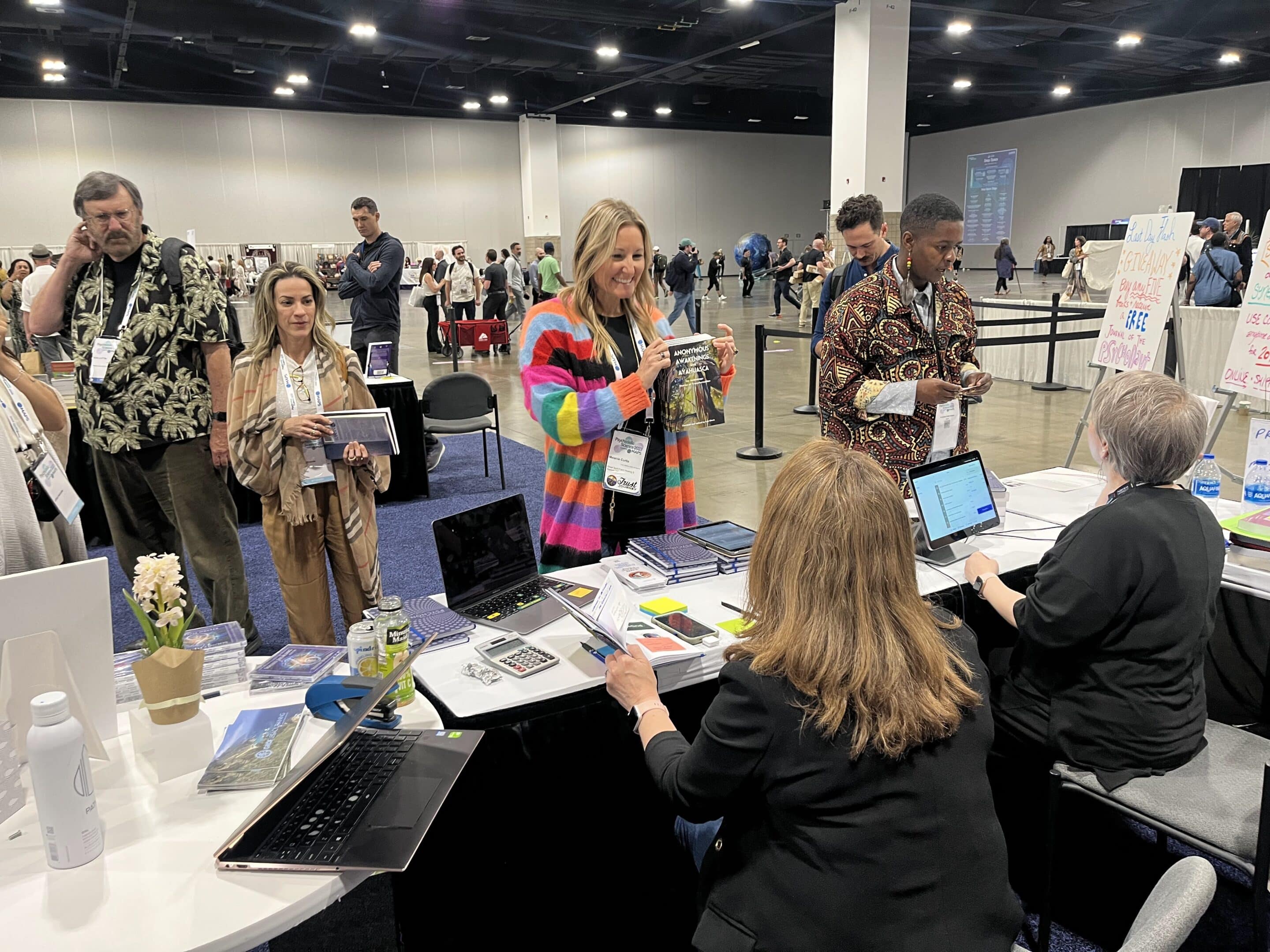
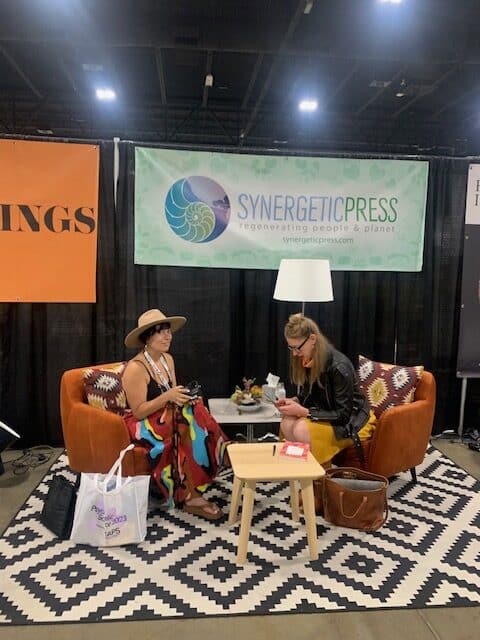
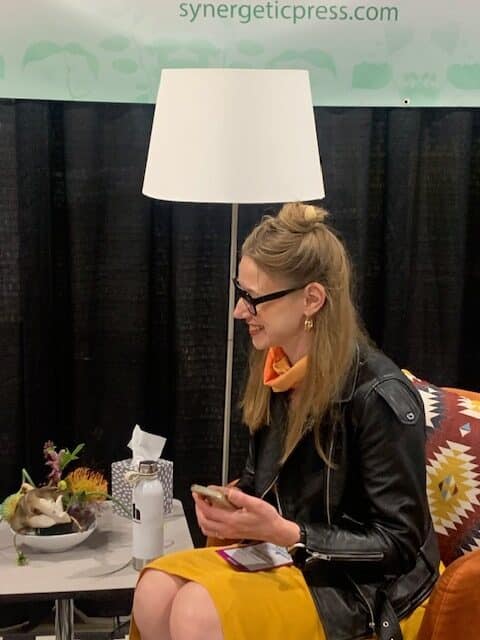
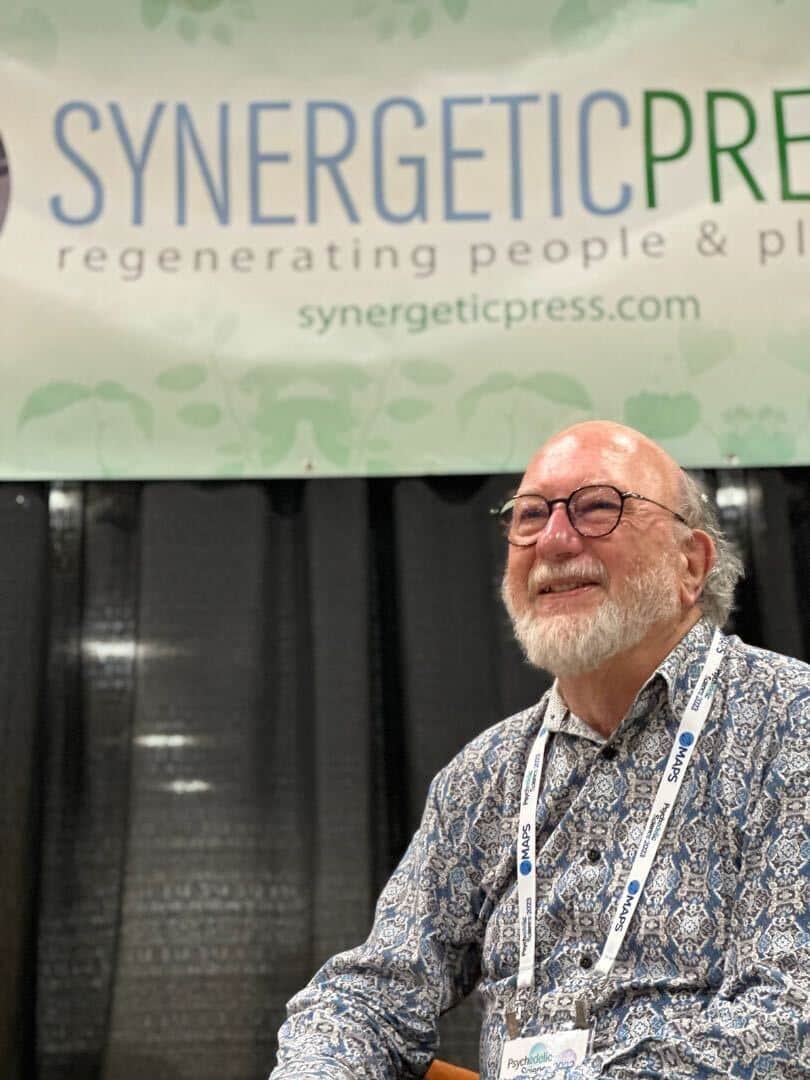
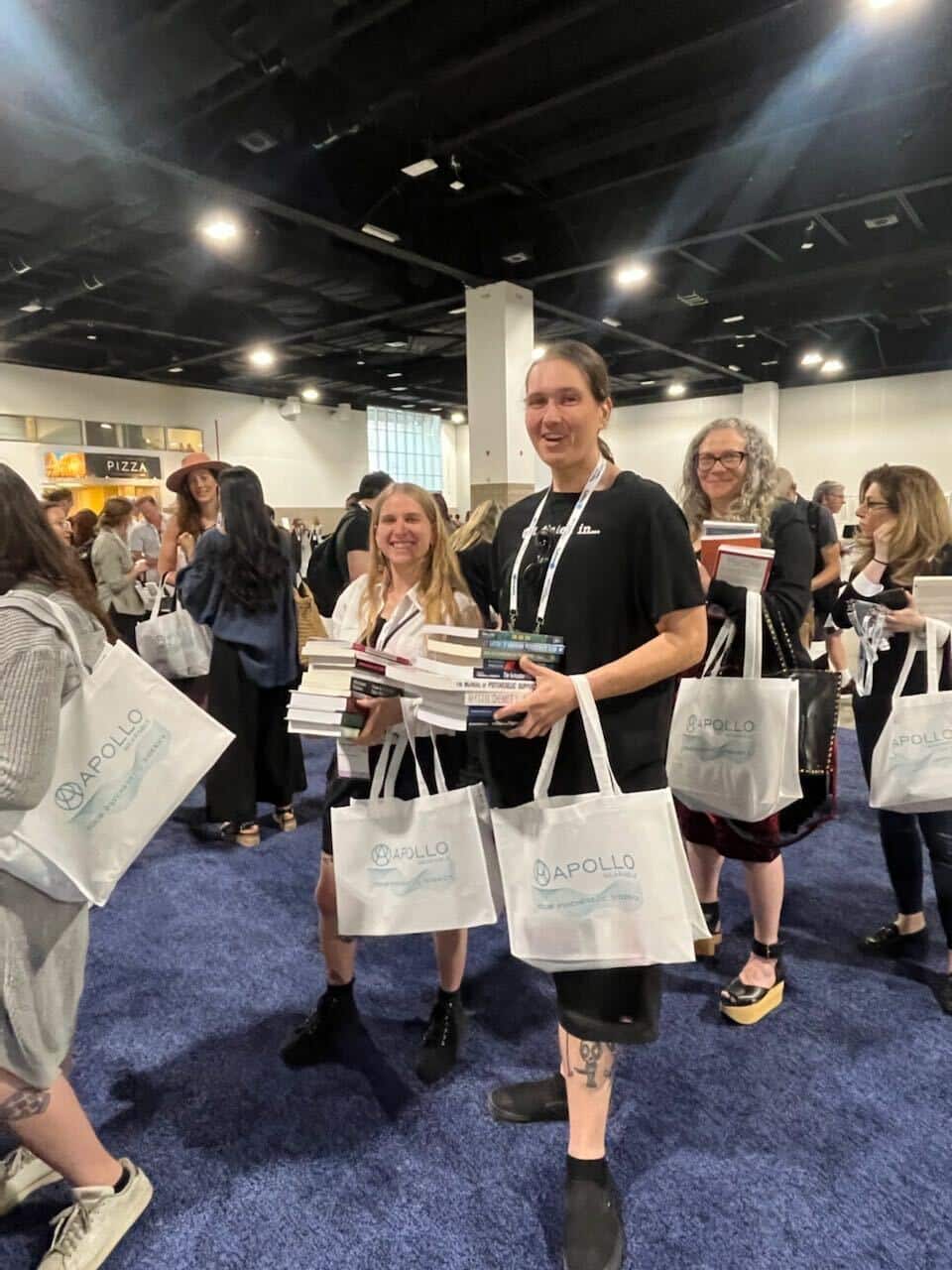
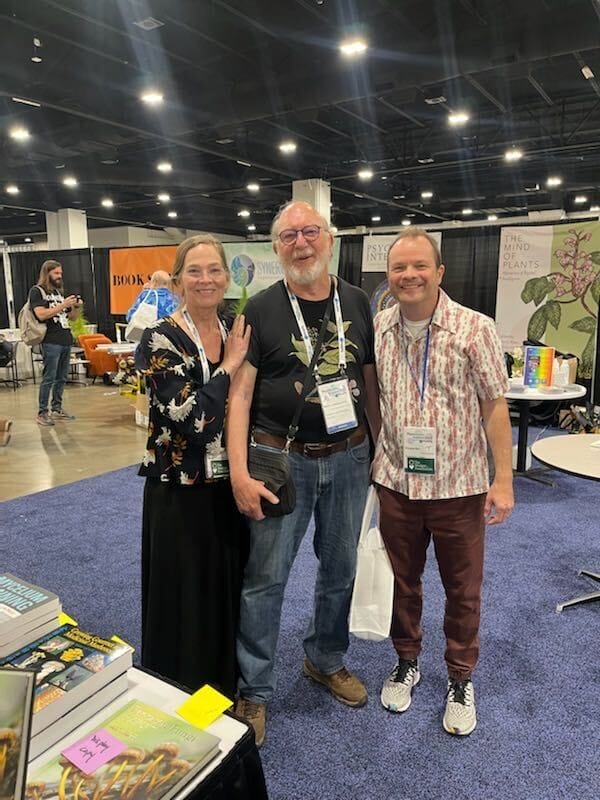
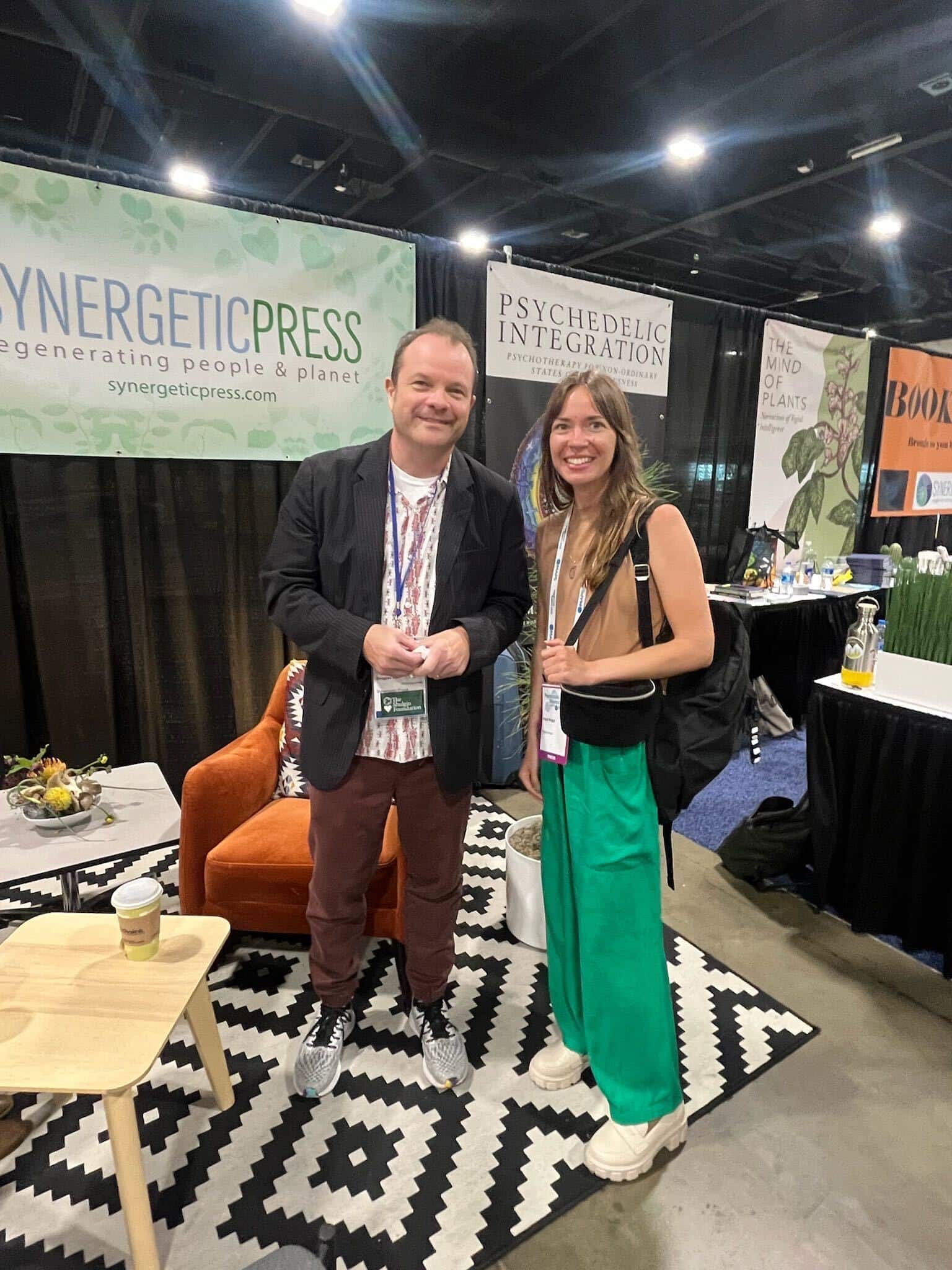
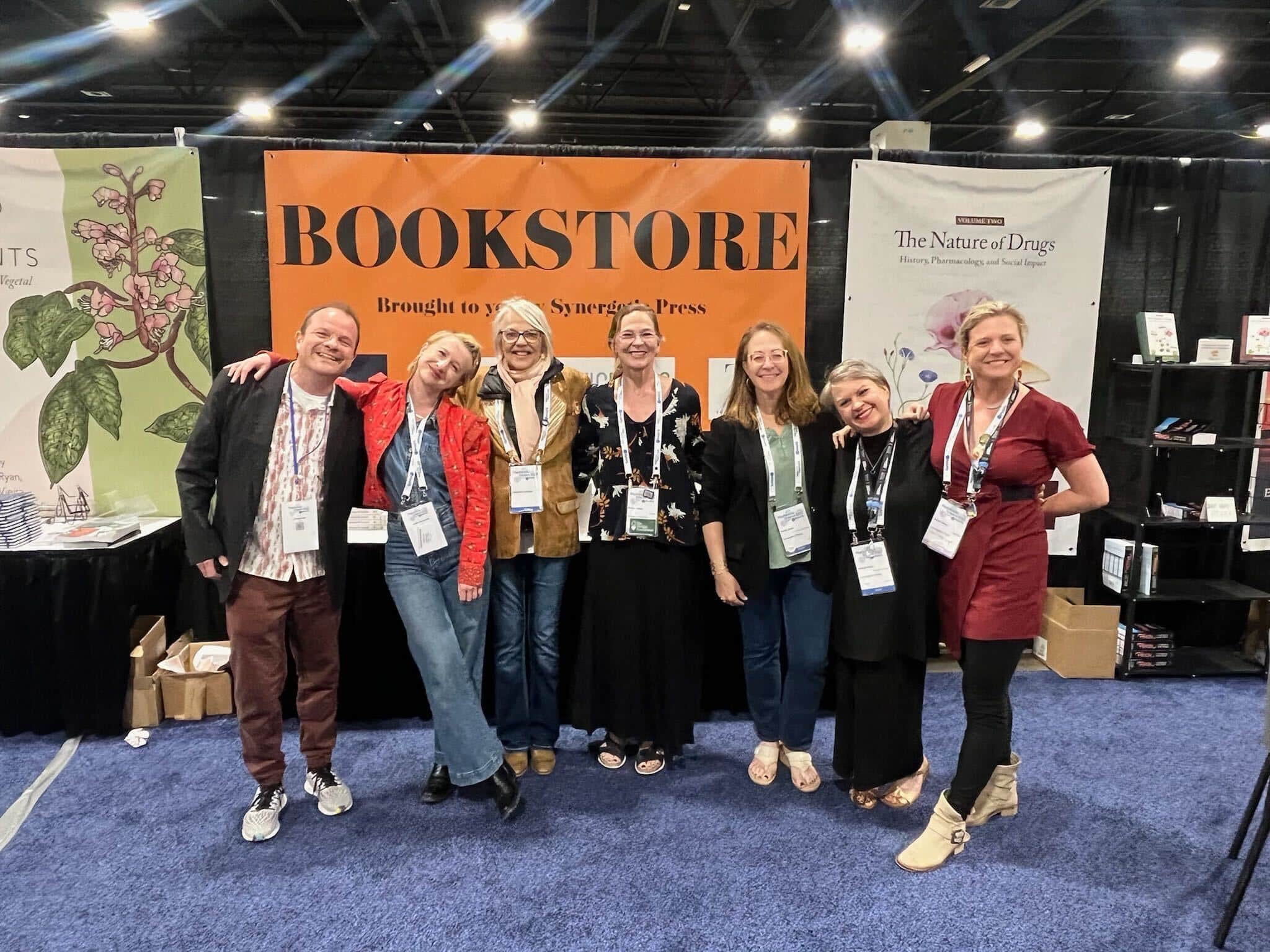
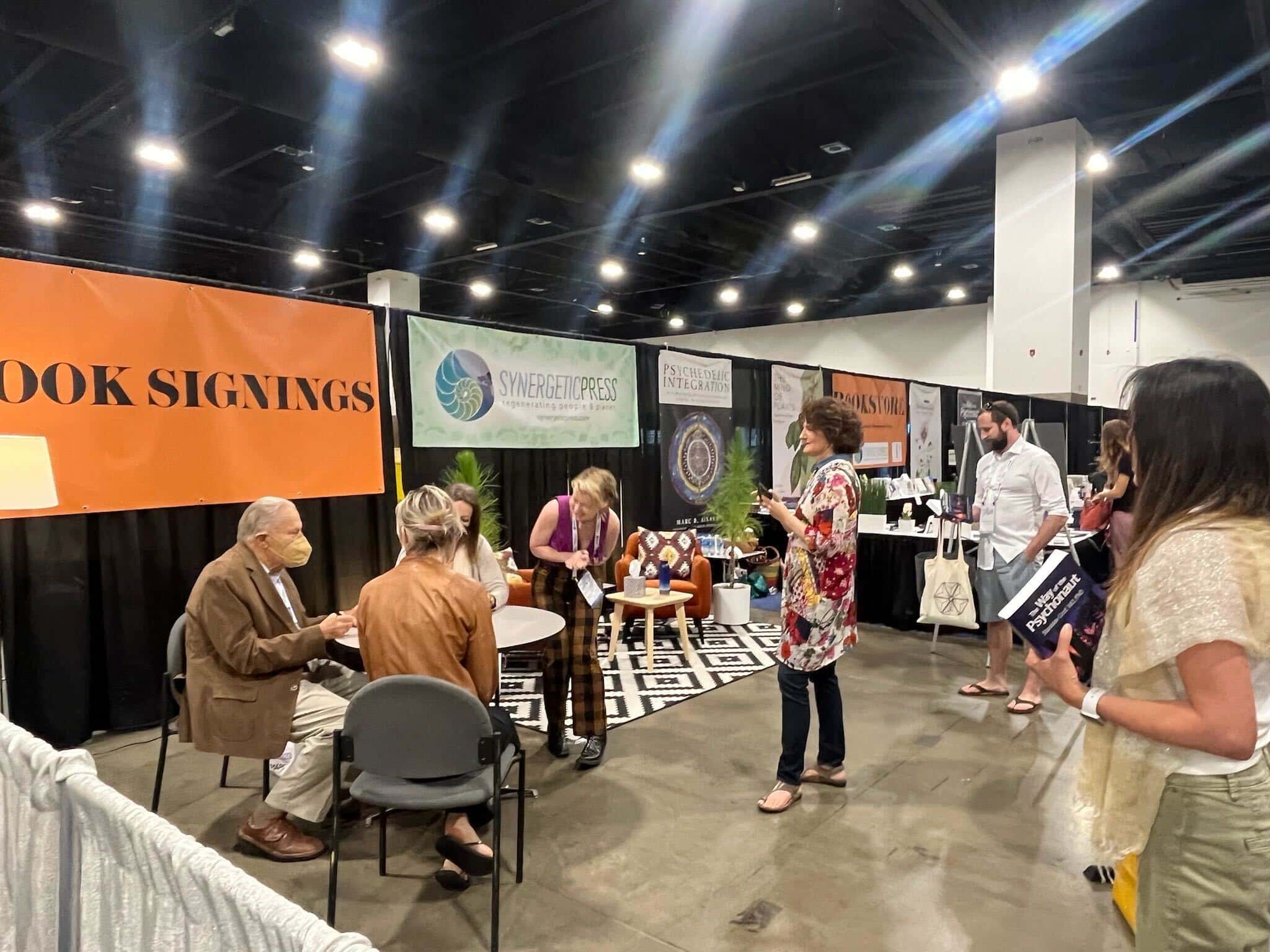
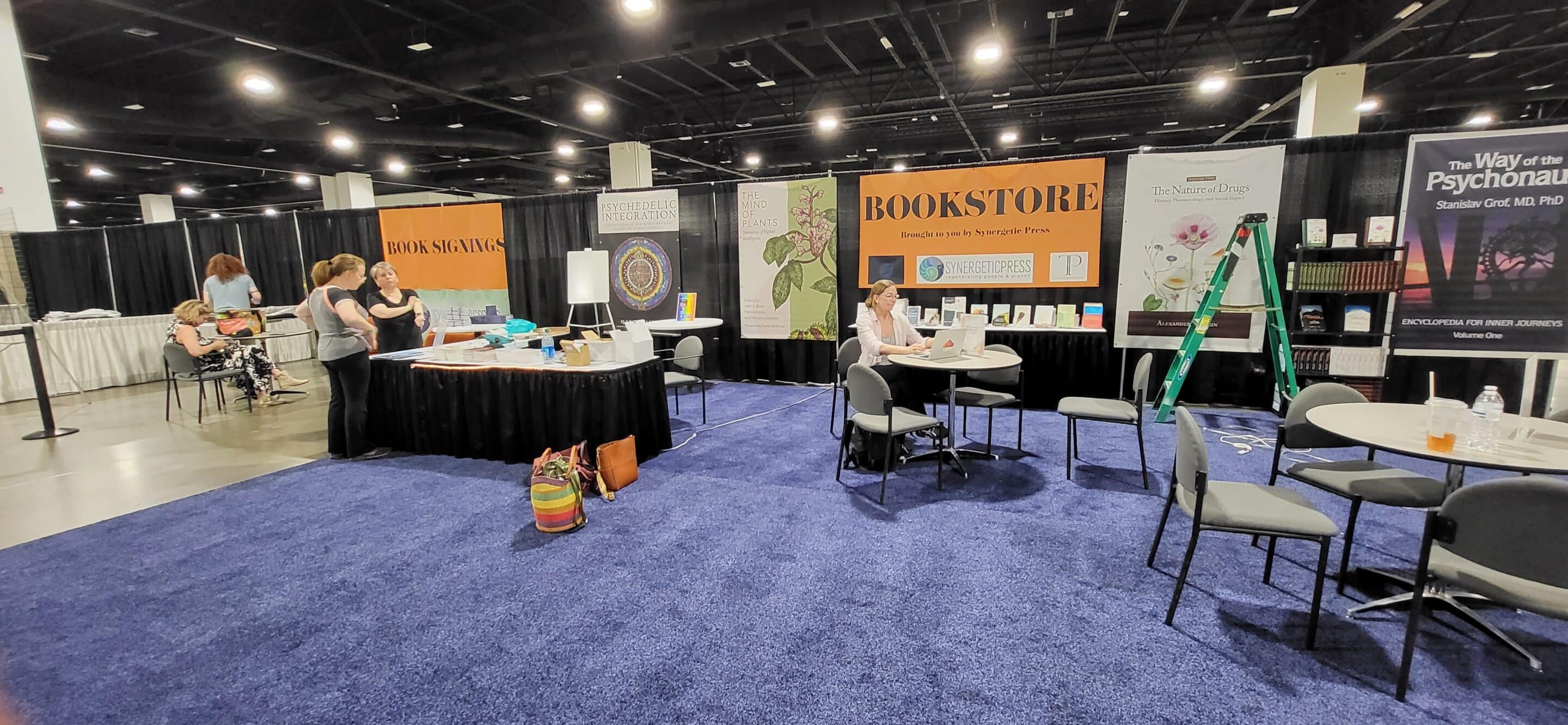
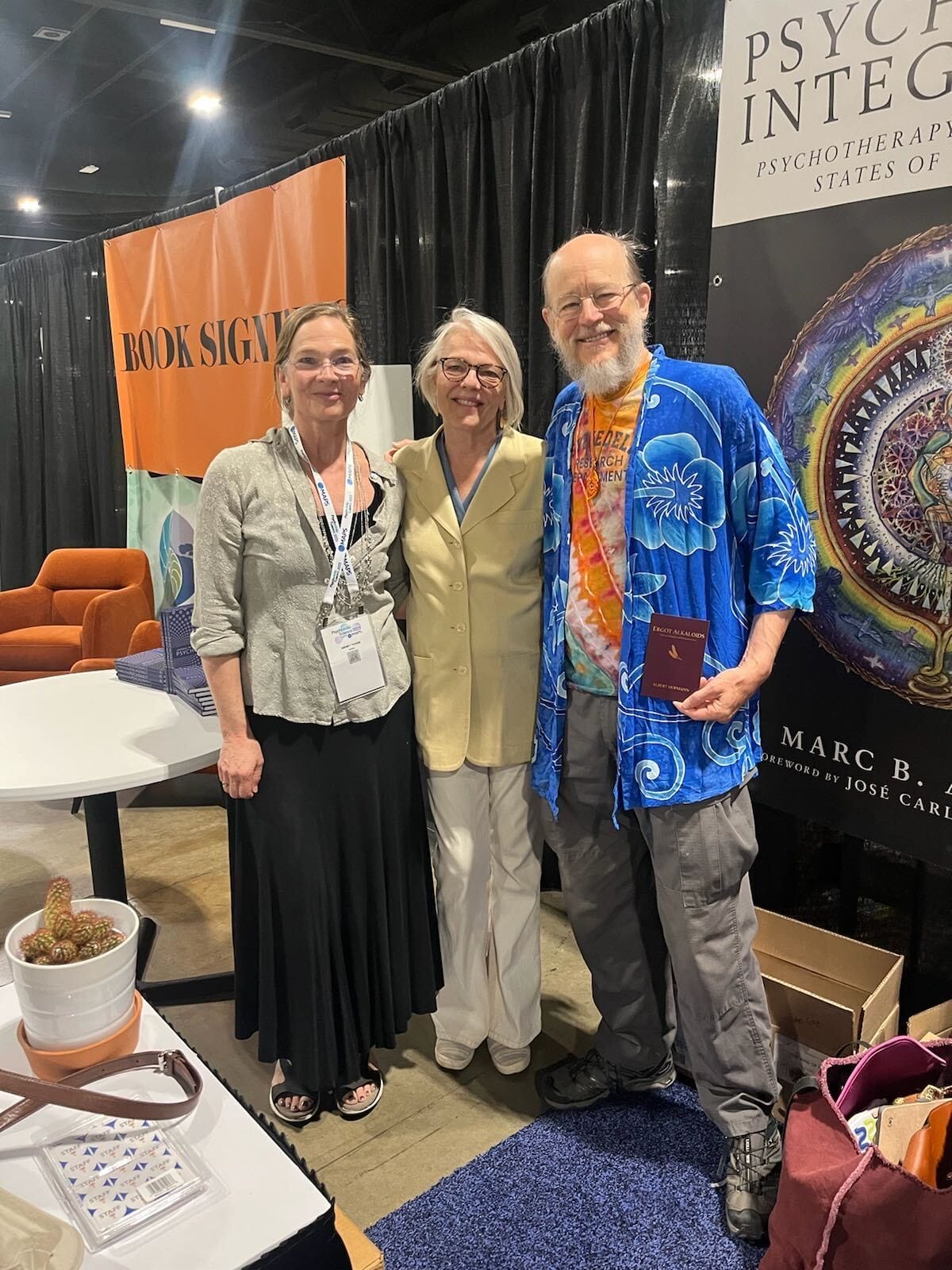
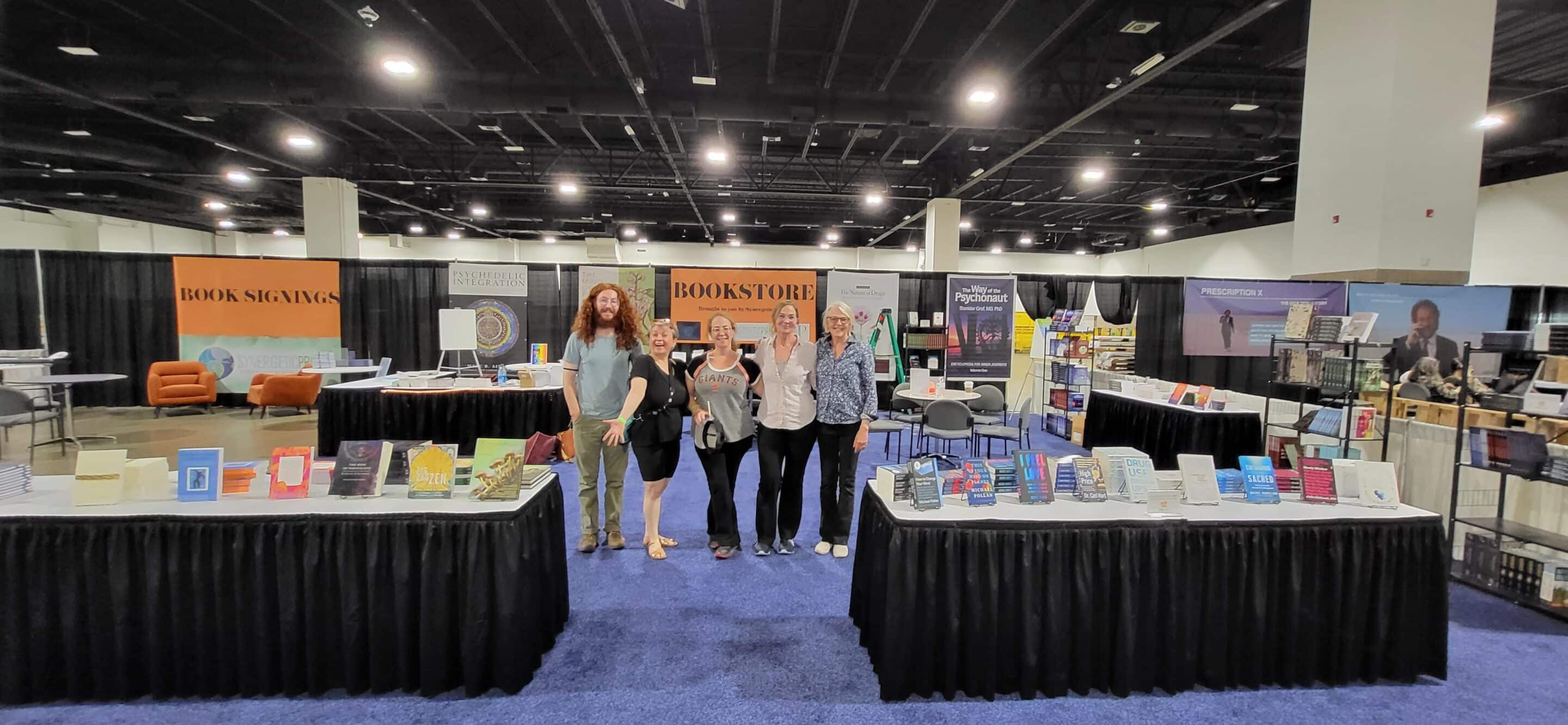
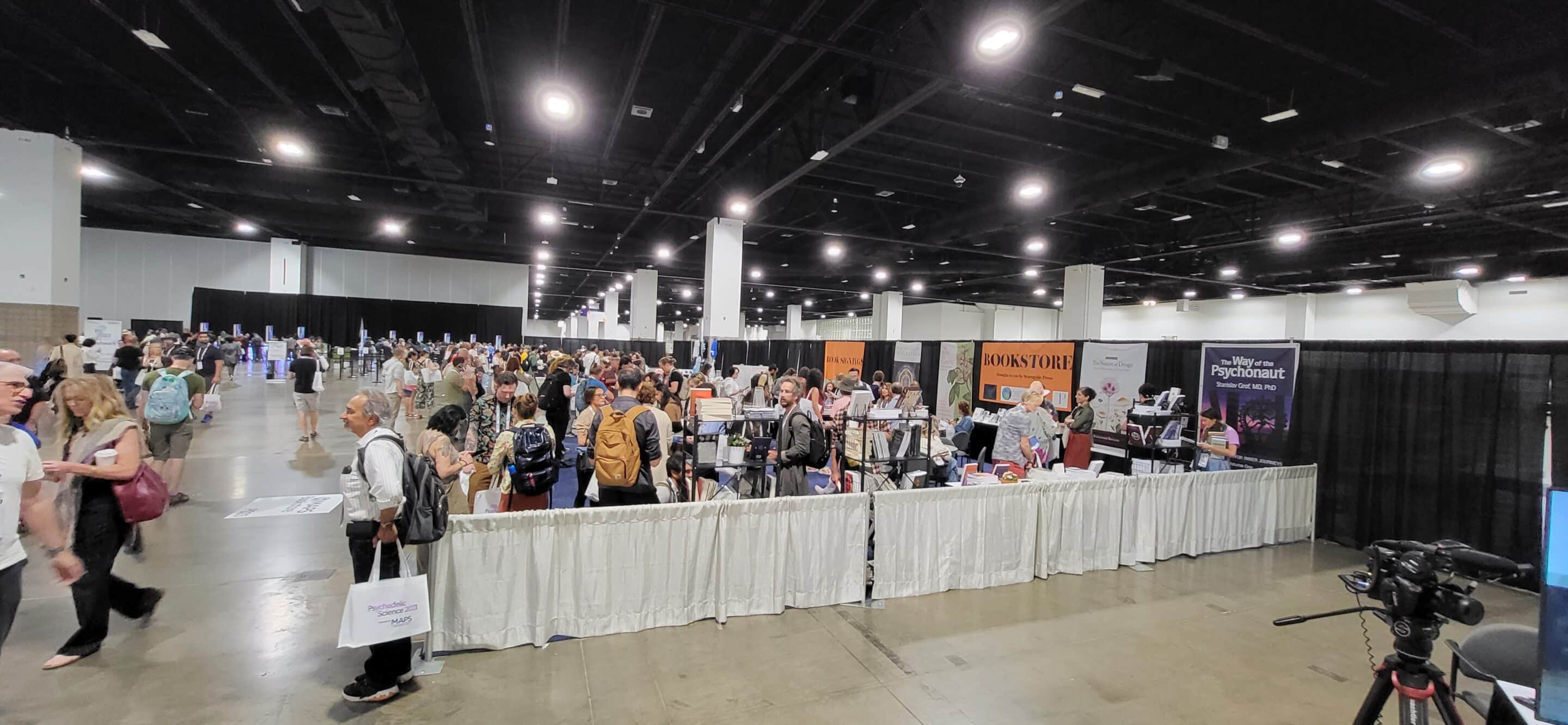
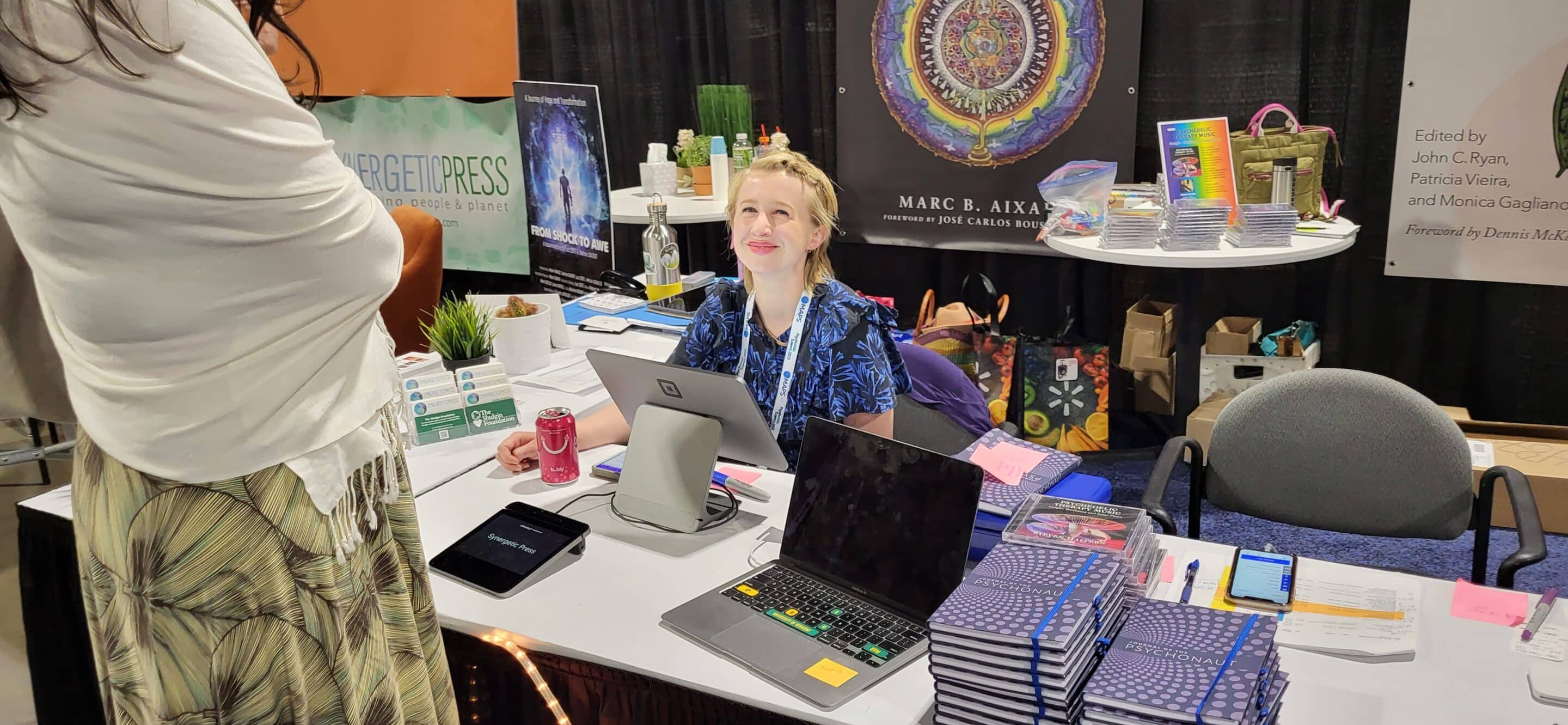
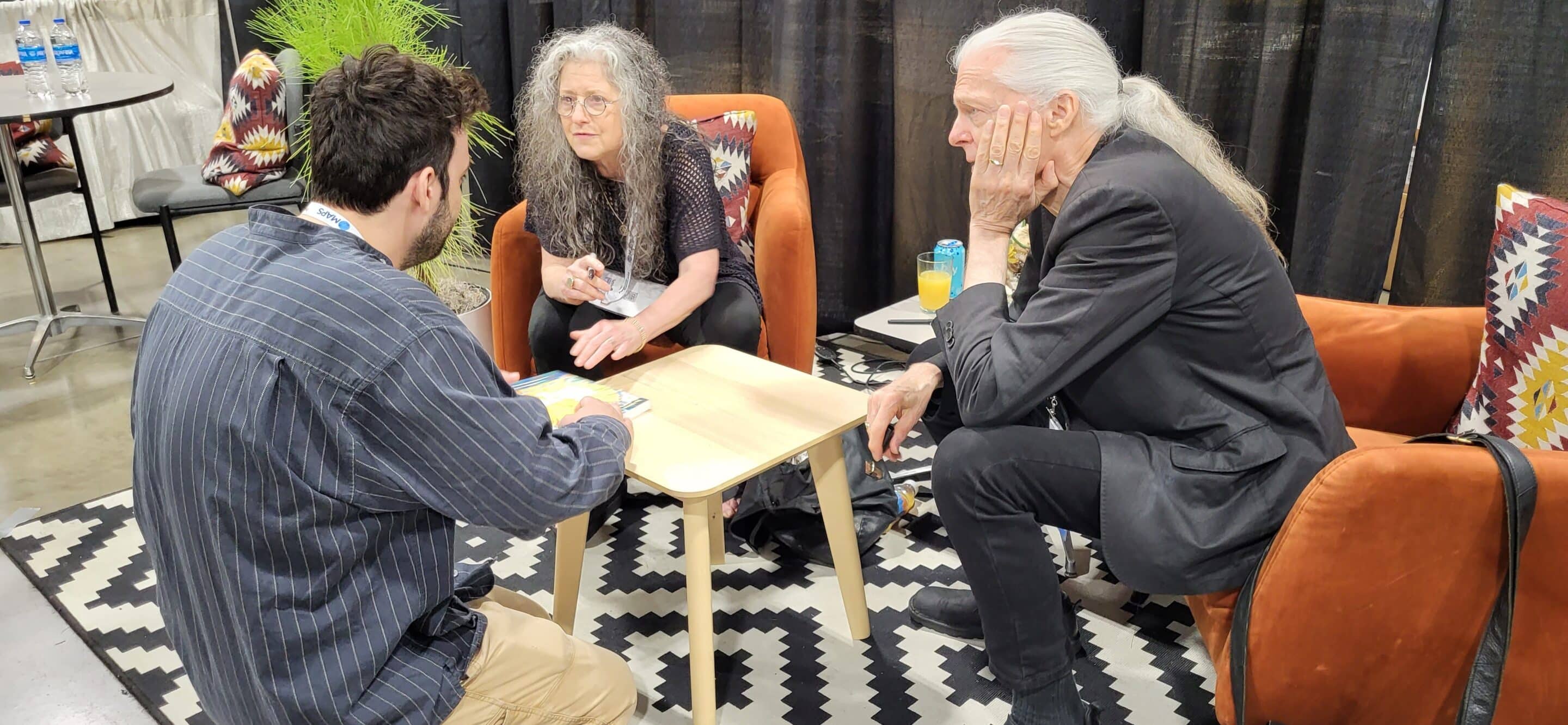
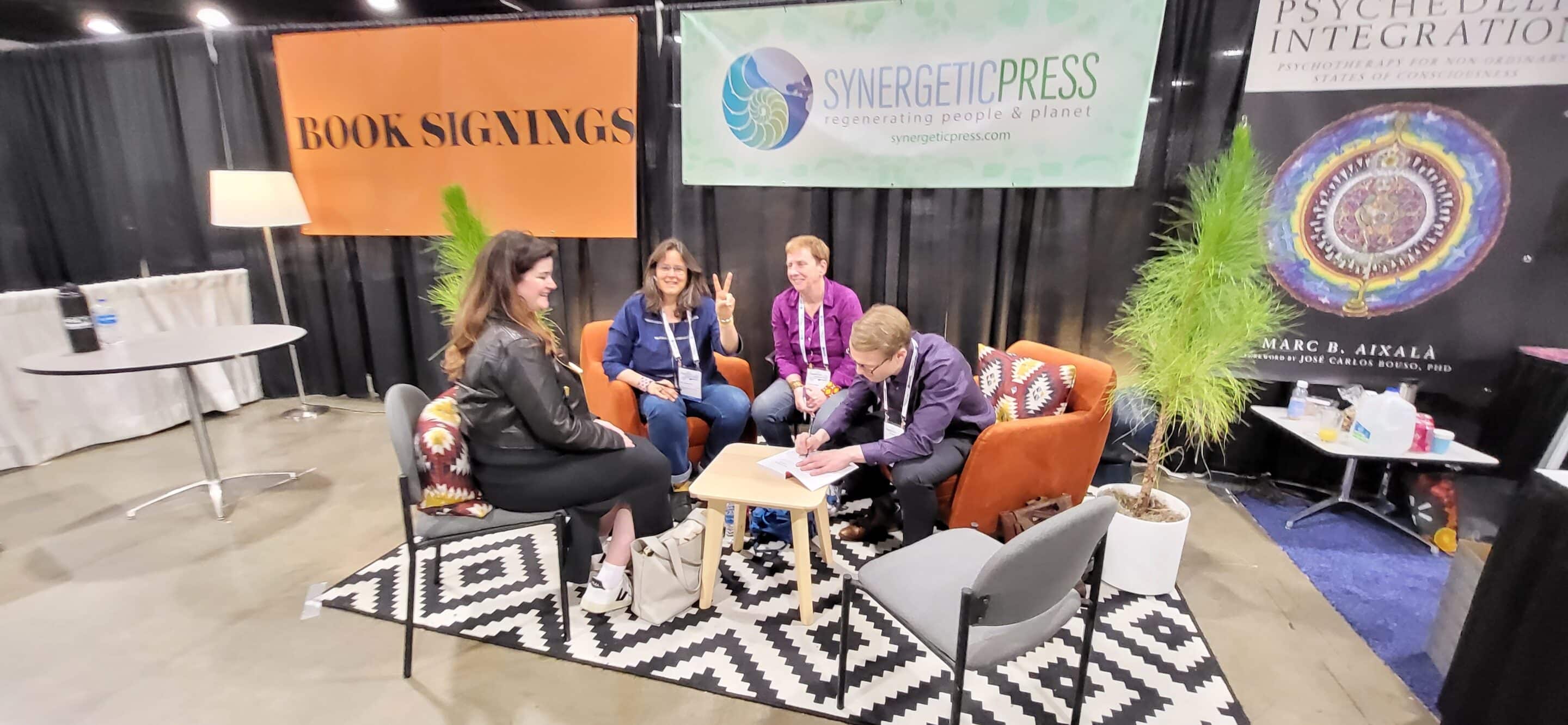
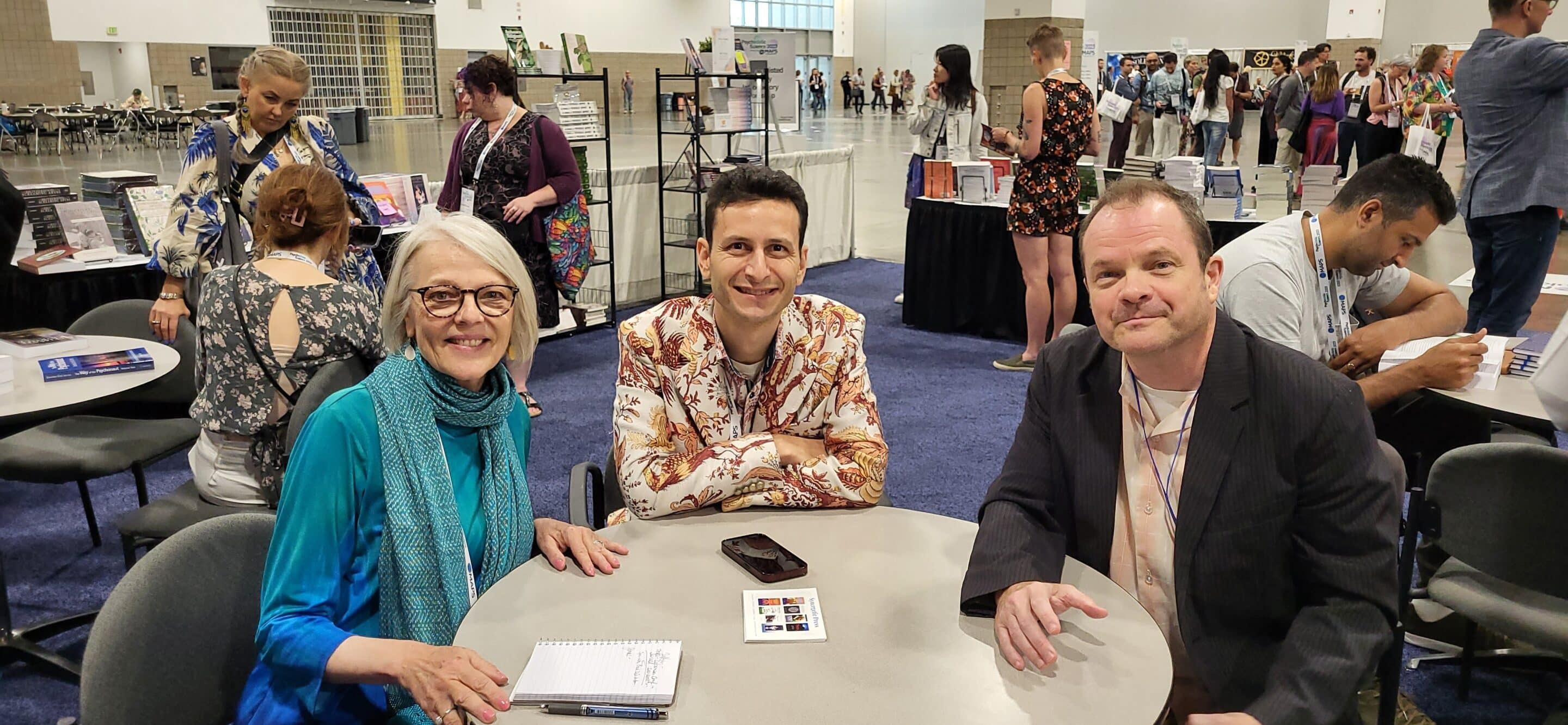
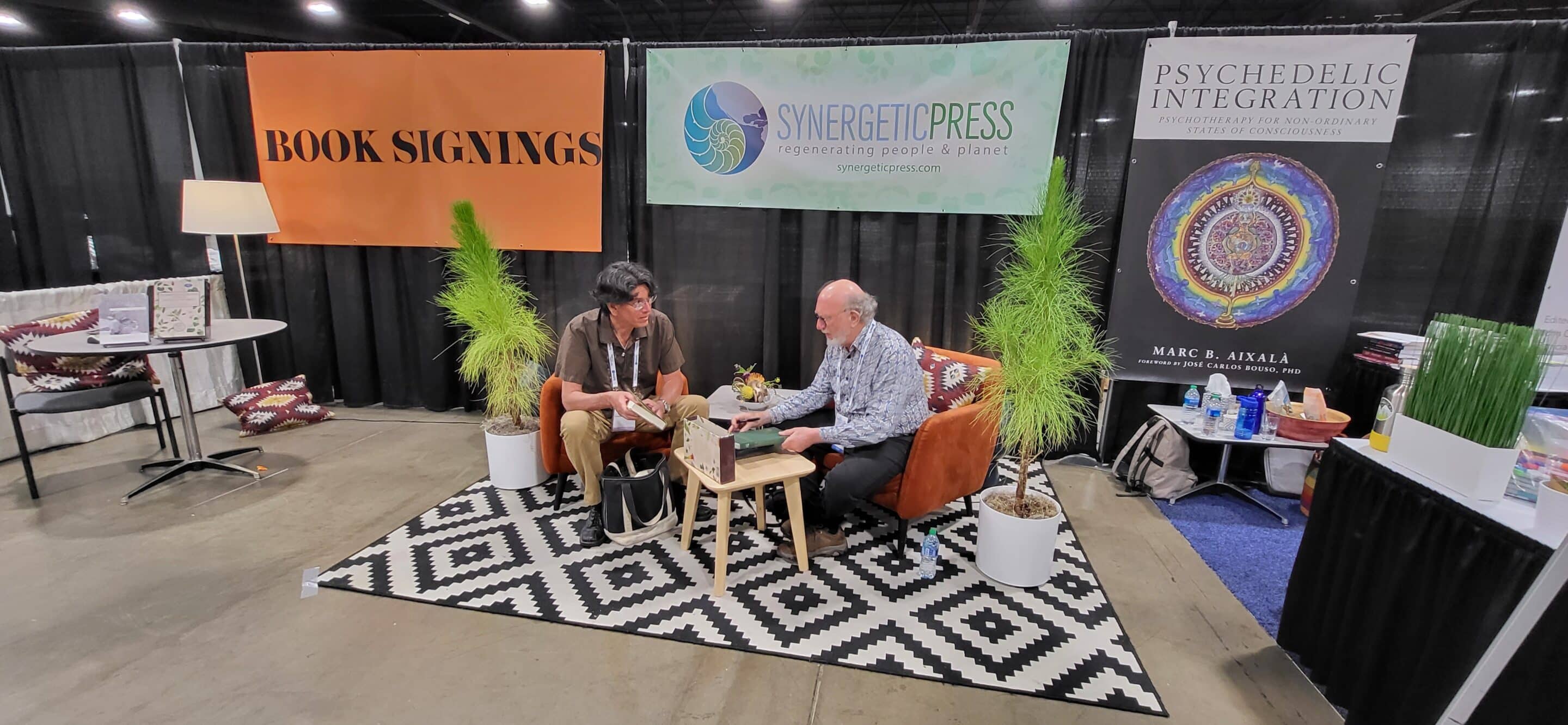
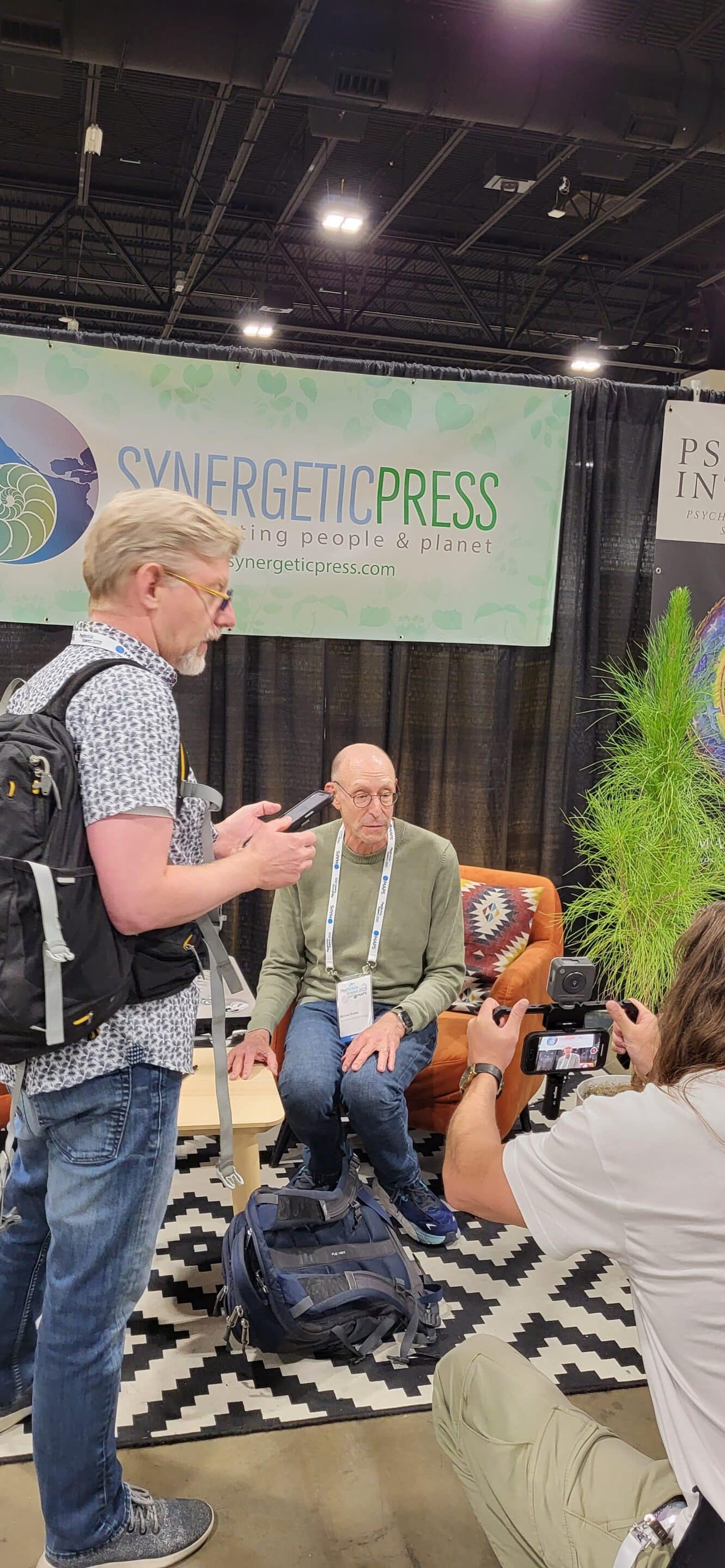
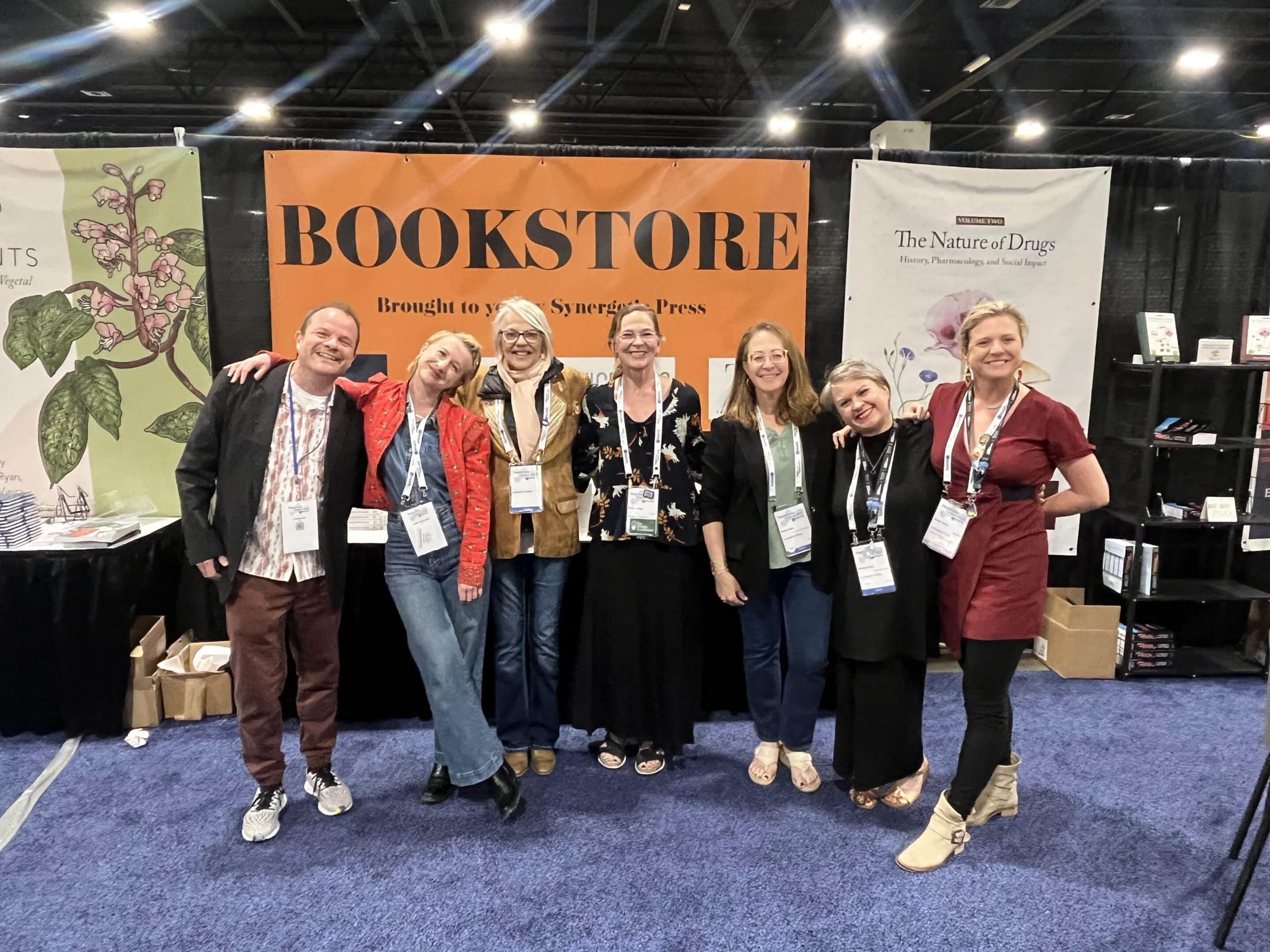
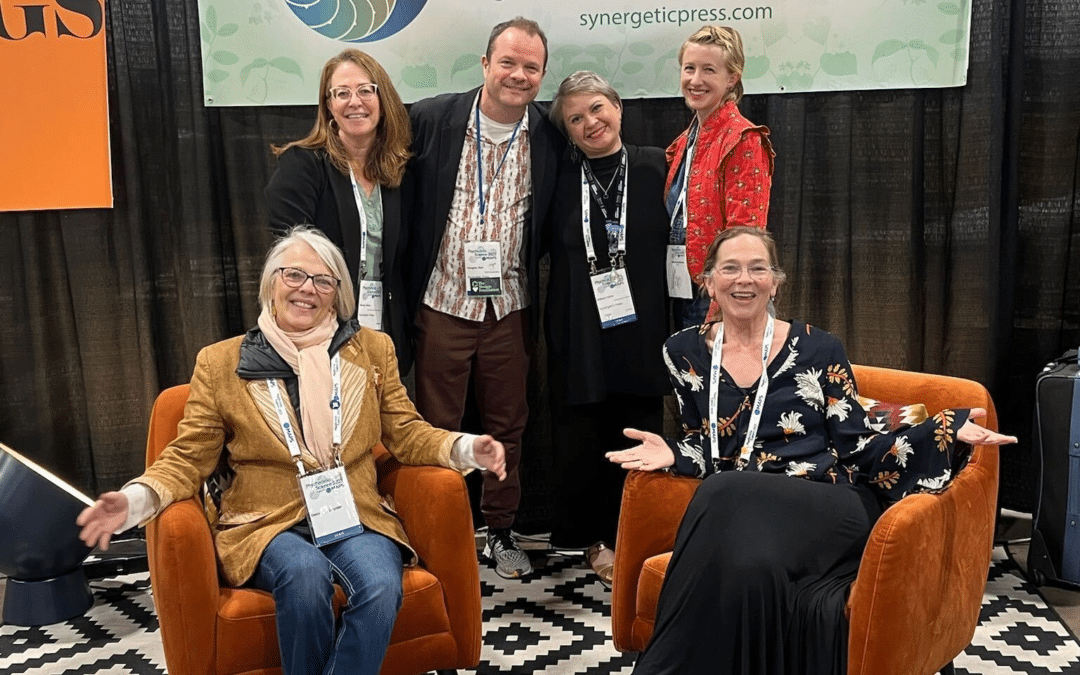
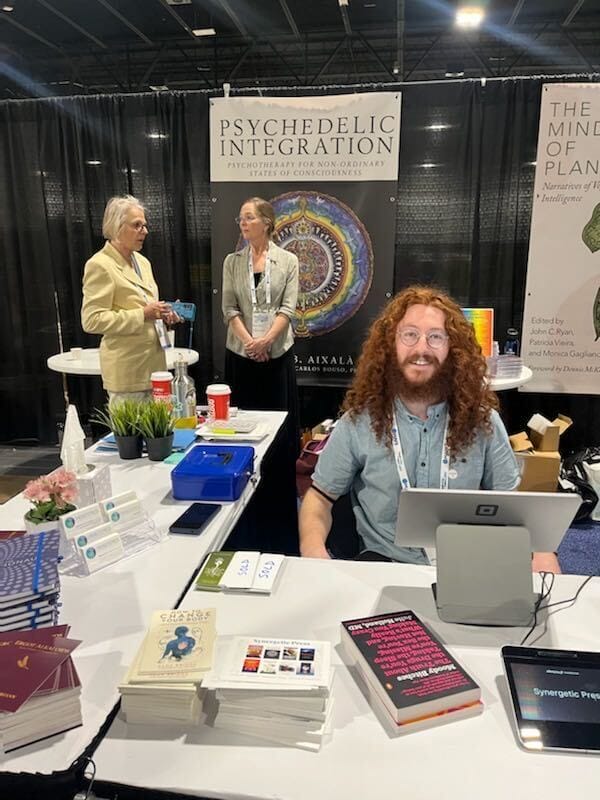
Last month we had the joy of attending the largest conference on psychedelics, Psychedelic Science 2023 hosted by our copublishers, the Multidisciplinary Association for Psychedelic Science (MAPS). As the official bookstore of the event, we’re immensely grateful to everyone who visited our booth, whether to grab a book, nurture connections, or meet incredible authors. It was an absolute delight to not only share our own publications but also showcase books by other remarkable authors in the psychedelic realm. The sense of community we experienced left us profoundly touched. Publishing is a tough industry in today’s day and age, and we extend heartfelt gratitude to each and every one of you for supporting our vision and our books.

Below Synergetic Press team members reflect on their experiences at Psychedelic Science 2023:

“Still swimming in the contact high of the bookstore at Psychedelic Science 2023.

Thank you to everyone who stopped by our little shop, arms loaded with books and big grins on your faces at the prospect of a psychedelic bookstore. After being greeted by thousands with curiosity and compassion—as though we weren’t in a conference center with a ceiling miles about our heads, even as delirium was setting in toward the end of the week—I can report that one stereotype about people who love psychedelics is true: they do a lot more eye gazing. My eyes remember all of you!

Shout out to Ayize Jama-Everett and Kufikiri Imara for making a magnificent film, A Table of Our Own, that got a standing ovation. Shout out to Laura Mae Northrup, Monica Cadena, Leticia Brown, and Britta Love for their mind-opening conversation on sex, psychedelics, and carrying consent with us everywhere we go as an alive practice rather than a stagnant permission. Shout out to Jerónimo Mazarrasa of ICEERS for advocating for the wisdom of the lifelong ceremonialists, who simply cannot be replaced, and his reminder that adopting the form of a ritual is not the ritual itself (that copying an aesthetic or manner of being does not mean you have a hold on its depth and power).

Connecting with those who are committed to the origins, stewards, and biocultural contexts of entheogenic plants; those who are more interested in access, cultural competency, and deep relationships than profit or hype; those who move at the speed of trust (thanks for that, Ayize) and greet a slow pace with recognition and necessity; and the keepers of complexity who walk with humor and grace was a balm that awakened belief in new places.

Til the next, and in the words of Donna Haraway, stay with the trouble til then.” —Noelle Armstrong, Managing Editor 

“After six years since the last MAPS conference, it was remarkable to see the greater psychedelic community come together in Denver for PS23. Beyond the exponential growth in the number of participants and size of the show itself, the gathering represented the next step in the maturation of the industry with more specialized exhibitors and expansive discussions on multiple tracks. A new survey presented by the UC Center for the Science of Psychedelics highlighted that while the public supports expanded science on psychedelic therapies, there is little support for expanding access and legalization. The study highlights the need for ongoing educational efforts and quality science to create foundational support for these therapies and to establish a broader understanding of the immense possibilities of these substances.” —Doug Reil, Co-publisher & CEO

“The thing I keep coming back to about PS23 was how much it was unlike a typical conference. Not just in terms of the focus on psychedelics, of course, but in terms of how truly community-oriented it felt. No one was jockeying for position or trying to one-up anybody else. No one was just there for the sake of placating a boss or was merely going through the motions with an eye toward a juicy year-end bonus. Everyone there seemed genuinely focused on the love and healing potential inherent to these medicines. There was reverence for the old guard (how miraculous was Stan Grof’s mere presence!) and a radical openness to the way that younger superstars like Dr. Carl Hart are moving the conversation forward. The view from the bookstore was the most joyous (and well dressed!) parade of students, therapists, and seekers, all looking for additional stories and information to keep the momentum going after that incredible week in Denver.” —Allison Felus, Production Editor

“The field has simply exploded with whole new branches of research and inquiry emerging. The tributes to those whose shoulders on which we all stand like Stan and Brigitte Grof, Stanley Krippner, Dennis McKenna, Alex and Alyson Grey, the Indigenous communities from whom this works stems as well as hundreds of others being recognized and thanked for their decades of service to humanity were profoundly moving to witness. And the new thought leaders like Julie Holland, Marcina Hale from Reconsider.org, new writers like Rachel Nuwer, the team at Lucid News, and the Women’s Visionary Congress, all shining lights on the breakthroughs in research and evolving community support and understanding about the flood of these therapies as they become more and more available.

The demand for knowledge about work in this field has never been higher.

Synergetic Press was proud to be at the show representing the work of these pioneers and cutting-edge voices.” —Deborah Parrish Snyder, Publisher

Synergetic Press Authors on Pride

Synergetic Press Authors on Pride

Happy Pride Month to our community of readers! In celebration of Pride Month, we want to highlight some incredible contributors to our book Queering Psychedelics: From Oppression to Liberation in Psychedelic Medicine, including Diana Quinn, Taylor Dahlia Bolinger, Terence H. W. Ching, Kile Ortigo and Amy Bartlett. Together, these authors bring unique perspectives and expertise, inviting us to explore the intersection of queerness and psychedelic medicine. As we honor and embrace queer joy this month, let us also express gratitude to the ancestors and pioneers who paved the way for our liberation.

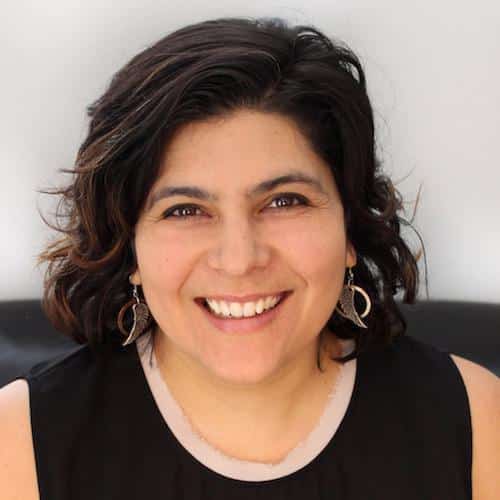
Dr. Diana Quinn is a licensed naturopathic doctor with a focus on integrative mental health, psychoneuroimmunology, and healing justice. As a queer Chicana, her work has centered care of marginalized communities, including people of color and the 2SLGBTQIA+ community, for over 20 years. Dr. Quinn is the Assistant Director of Community Care at the Naropa Center for Psychedelic Studies. In the emerging field of psychedelic medicine, she works to ensure ethical, safe, and inclusive care, as well as anti-oppressive approaches in training facilitators in both the medical and adult-use models. She serves on multiple advisory boards and working groups dedicated to building ethical integrity, equity, accessibility, reciprocity, and cultural humility in psychedelic medicine.


How are you cultivating queer joy this Pride month?

DQ: My wife and I will be celebrating our 8th wedding anniversary in July, we got married right after the Supreme Court decision in 2015. We’ll be cultivating queer joy for Pride Month and our anniversary by advancing the gay agenda, which for us these days means raising four teens/young adults, playing with our grandbaby, puttering in the garden, and enjoying a date night once a week.

What’s on your queer bookshelf?

DQ: I’m currently reading This is How You Lose The Time War, a queer sci-fi love story, and also !Hola Papí!: How to Come Out in a Walmart Parking Lot by JP Brammer, queer Latino advice columnist. Because I like to have at least three books going simultaneously, I’m also slowly making my way through the brilliant Healing Justice Lineages: Dreaming at the Crossroads of Liberation, Collective Care, and Safety written by Cara Page and Erica Woodland, Black queer authors and architects of the healing justice framework. 

What do you love about being in queer community?

DQ: I love everything about queer community, which saves my life over and over again. There is just so much beauty and brilliance, deep love and care to be found here, it’s like no where else. It’s home. And the queer psychedelic community is absolutely lit.

Tell us about a queer ancestor you’re thanking this month.

DQ: I’m always in gratitude to Gloria Anzaldúa, Chicana lesbian and feminist writer of my heart and ancestral lineage. It wouldn’t be Pride Month without paying homage to Sylvia Rivera and Marsha P. Johnson, radical trans activists who resisted at Stonewall and founded an org to support and house queer and trans youth.

Taylor Dahlia Bolinger began sitting for her friends as a teen while they processed the trauma from growing up queer in Texas. The acceptance she eventually found at regional Texas Burns led her to embrace her identity as a transgender woman. Taylor cofounded Decriminalize Nature Dallas, is studying to become a social worker, and works with homeless LGBT young people. Her goal is to become a professional integrative therapist, work with minorities, and advocate for access to plant medicine.

How are you cultivating queer joy this Pride month?

TDB: I am just bursting with queer joy this Pride month. I had facial feminization surgery in February, and it is having a life-changing positive effect on my emotional and social well-being. I am growing happier and more present in my life every day now. My partner and I will also be starting IVF to have our second baby during Pride Month, which will also be an enormous blessing. My academic work on transgender mental health was also recently accepted by the Council of Social Work Education for presentation at their conference later this year, so I am flourishing in almost every way. 

What’s on your queer bookshelf?

TDB: I’ve been reading a few queer and trans theory books lately as I prepared for a talk I gave at the Queering Psychedelics 2 conference. These were primarily The Cultural Politics of Emotion by Sarah Ahmed, Shame and It’s Sisters by Eve Kosofsky Sedgwick and Adam Frank, and Transgender Marxism by Jules Joanne Gleeson and Elle O’Rourke. I also recently read the novel Wrath Goddess Sing by Maya Deane, a transgender retelling of the Iliad and a finalist in this year’s Lambda Literary transgender fiction category. 

What do you love about being in queer community?

TDB: My favorite thing about my queer community here in Texas is our love for one another. I feel profoundly grateful for how we show up to support one another’s events, hold each other up when we are going through difficulties, and practice restorative justice when we mess up and harm one another. That sort of kinship is hard to find and I feel lucky to be a part of this community. 

Tell us about a queer ancestor you’re thanking this month.

TDB: I’d like to honor a transgender pioneer, Reed Erikson, who should perhaps be better known in the psychedelic community. Erikson was a trans man who was a businessman and philanthropist. He financed Harry Benjamin’s clinical work and the Johns Hopkins Gender Identity Clinic, as well as supporting professional networks for researchers and doctors treating trans people in the 60s and 70s. Erikson also explored psychedelics and transcendental meditation and funded research into New Age mystical, magical, and supernatural practices and knowledge, including John Lily’s dolphin research.

Terence H. W. Ching, PhD, is a postdoctoral associate at the Yale OCD  Research Clinic. He has professional interests at the intersections of anxiety- and trauma-related disorders, diversity and equity, and psychedelic-assisted psychotherapy. Terence is also dedicated to improving access to psychedelic research and clinical programs for historically excluded groups.

How are you cultivating queer joy this Pride month?

TC: Spending quality time with my husband and our pug, like we do year-round! Whenever we feel like it, we contribute to his bookstagram (@mattgetsliterary), him giving a concise review of mostly queer and BIPOC fiction, paired with a paint pour that I’ve created.

What’s on your queer bookshelf?

TC: Lots! Recent fiction faves are Camp by LC Rosen (if you want a fun read about queer teens coming into their own at a summer sleepaway camp), 100 Boyfriends by Brontez Purnell (if you want equal parts pure, unadulterated filth and brazen honesty), Flamer by Mike Curato (if you want an intersectional gay bildungsroman, but CW suicidality!), and In the Dream House & Her Body and Other Parties by Carmen Maria Machado (if you want powerful honest writing, an unconventional memoir detailing surviving CW queer domestic violence, and prose that invigorates one to take down the patriarchy!).

What do you love about being in queer community?

TC: What’s not to love? We are everything and more, we embody possibilities, we live, breathe, and thrive in spite of.

Tell us about a queer ancestor you’re thanking this month.

TC: Not one but all who have come before me, all who spanned the outness spectra, we exist(ed) because we dare(d) to.

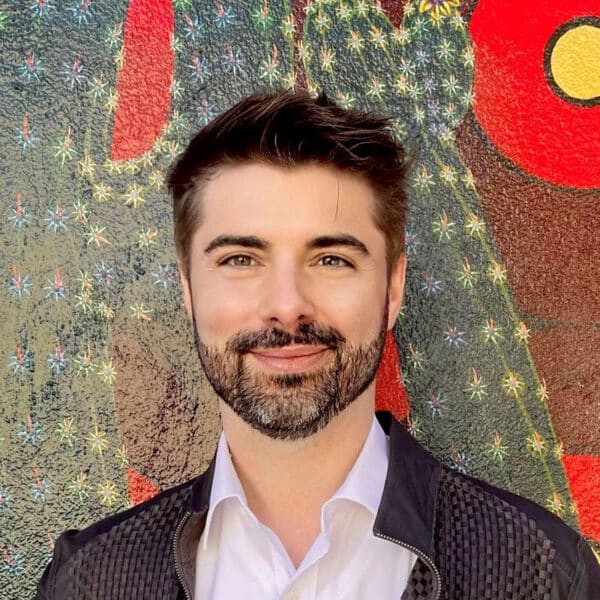
Kile Ortigo, PhD, is a clinical psychologist and certified psychedelic psychotherapist at the Center for Existential Exploration in Palo Alto, where he offers depth-oriented psychotherapy and integration services. Dr. Ortigo serves on advisory boards of Psychedelic Support and Project New Day and recently has published his second book, Beyond the Narrow Life: A Guide for Psychedelic Integration and Existential Exploration, with a foreword by psychedelic luminary Dr. Bill Richards. 

How are you cultivating queer joy this Pride month?

KO:  I celebrate all of my queer friends, family, colleagues, and clients, in their many diverse and multilayered life experiences, hopes, dreams, talents, and expressions of meaning. I especially appreciate the many queer artists who share their gifts and authentic (and sometimes campy!) acts of self-expression with others.

What’s on your queer bookshelf?

KO: Queering Psychedelics, of course! In all seriousness, my bookshelf is pretty eclectic. Any queer-informed or centered books are interspersed with all my others. One clear staple of many of my queer client’s bookshelves is Dr. Alan Down’s The Velvet Rage, which explores the role of shame in some gay men’s life experiences and challenges as well as how to heal from shame and live more authentically. Others include philosophical works by Michel Foucault, Eve Sedgewick, etc.

Tell us about a queer ancestor you’re thanking this month.

KO: I’d like to honor Dr. Henry Stack Sullivan (1892-1949) who was an early developer of interpersonal theory and psychotherapy. Among many other things, he was a big influence on Timothy Leary as well. Unfortunately, during his lifespan, it wasn’t an option to be out as a professional, probably especially as a psychotherapist. His efforts to reconcile his personal life with his professional one were not always successful. Nevertheless, I deeply appreciate the challenges he faced and how he tried to navigate a hostile world while still finding ways to make a larger impact, influencing professionals like myself decades later.

Amy Bartlett, LLB, LLM, is a curiosity enthusiast, legal professional, and NGO geek working on her PhD at the University of Ottawa. Her research explores the role that mystical experiences play in psychedelic healing, and her interests include community building, diversity and inclusion, and psychedelic integration. She helps coordinate the Ottawa Psychedelic Education Network (OPEN) amongst other projects. Before returning to school, she worked for over 15 years as a social justice advocate both in Canada and abroad.

How are you cultivating queer joy this Pride month?

AB: By taking up as much space as possible, and showering that space with love. Queerness comes in all shapes, forms and expressions, and pride month can get quickly co-opted by financial interests rather than genuine expressions of liberation, especially in this current political climate. My goal is to be joyfully authentic, not generally acceptable. 

What’s on your queer bookshelf?

AB: Given the alarming erosion of queer rights this year, as a small diversion/ complement to the political advocacy and awareness raising we are all doing this month, I am back to leafing through Thomas Prower’s Queer Magic: LGBT+ Spirituality and Culture from Around the World. At a time when our minds and bodies are under attack, it can be helpful to remind ourselves of the power and strength of the queer human spirit which is never up for grabs.

What do you love about being in queer community?

AB: Feeling safe, seeing others and being seen lovingly.

Tell us about a queer ancestor you’re thanking this month.

AB: It is cliche in the psychedelic space I know, and he is not without his issues, but lately I admit that I have been re-appreciating Ram Dass and feeling grateful for all of his complex, joyful and vulnerable humanness.

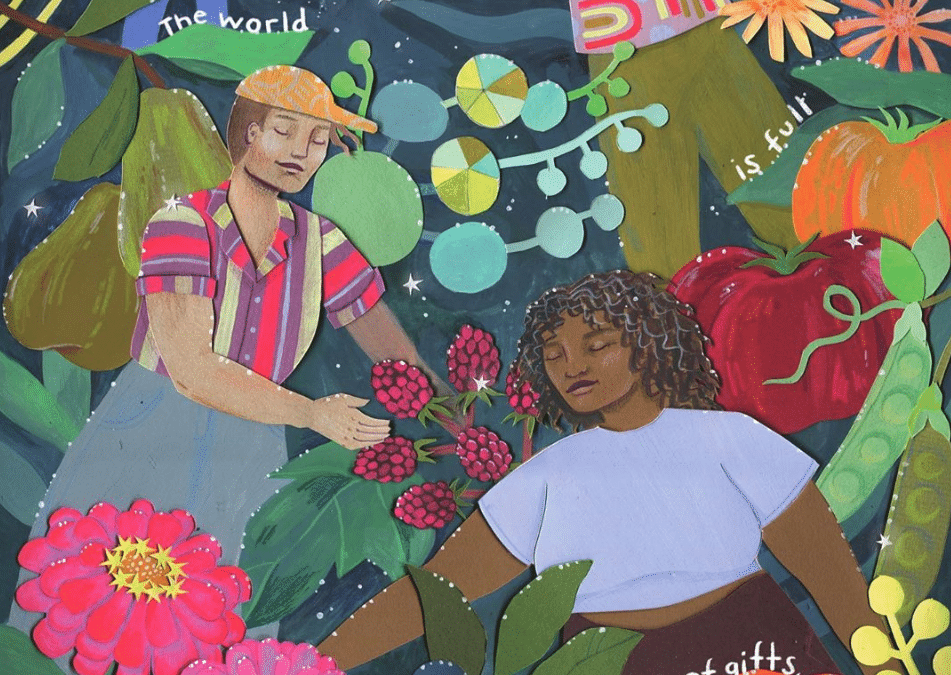
Featured artwork by Molly Costello.

Synergetic Press Joins MAPS’ Psychedelic Science 2023

Synergetic Press Joins MAPS’ Psychedelic Science 2023

We are delighted to share that Synergetic Press will be the official bookseller at the highly anticipated Psychedelic Science 2023 Conference, organized by the Multidisciplinary Association for Psychedelic Studies (MAPS). This groundbreaking event, dedicated to exploring the profound potential of psychedelics, will be held in the vibrant city of Denver from June 19-23, 2023. As the chosen purveyor of knowledge and inspiration, Synergetic Press is honored to bring you an extraordinary collection of books, not only from our own catalog but also from our esteemed co-publishing partners, Transform Press and MAPS, as well as other leading thinkers and pioneers in the psychedelic space. Prepare to embark on a literary journey that will expand your consciousness and enrich your understanding of this fascinating field.

Author Book Signing Schedule

To further enhance your Psychedelic Science conference experience, we are delighted to announce a schedule of book signings with some of the most influential authors and thinkers in the psychedelic field. Don’t miss the opportunity to engage in discussions, gain deeper insights, and have your books personally signed. All signings will take place in the Registration area outside the entrance and the signing schedule is subject to change.

Here are some notable book signings to mark in your calendars:

Wednesday 6/21

10 – 11 AM –  Jennifer Chesak signing The Psilocybin Handbook for Women: How Magic Mushrooms, Psychedelic Therapy, and Microdosing Can Benefit Your Mental, Physical, and Spiritual Health

11 – 12 PM – Bessel Van Der Kolk signing The Body Keeps the Score: Brain, Mind, and Body in the Healing of Trauma

1 – 2 PM – Alex and Allyson Grey signing Zig Zag Zen: Buddhism and Psychedelics 

2 – 3 PM – Rachel Nuwer signing I Feel Love: MDMA and the Quest for Connection in a Fractured World

3 – 4 PM  Phil Wolfson signing Ketamine Papers Wed 6/21 3:00 – 4:00 – Phil Wolfson signing Ketamine Papers: Science, Therapy, and Transformation

4 – 5 PM – Bill Richards signing Sacred Knowledge: Psychedelics and Religious Experiences

5 – 6 PM – Bia Labate, Clancy Cavnar, and Alex Belser signing Queering Psychedelics: From Oppression to Liberation in Psychedelic Medicine and Psychedelic Justice: Towards a Diverse and Equitable Psychedelic Future

Thursday 6/22

10-11 AM – Stanislav Grof signing The Way of the Psychonaut and Psyche Unbound: Essays in Honor of Stanislav Grof 

11 – 12 PM – Kile Ortigo signing Beyond the Narrow Life: A Guide for Psychedelic Integration and Existential Exploration

12 – 1 PM- Charles Grob & Jim Grigsby signing Handbook of Medical Hallucinogens, Hallucinogens: A Reader, and Higher Wisdom: Eminent Elders Explore the Continuing Impact of Psychedelics

1 – 2 PM – Rachel Harris signing Listening to Ayahuasca: New Hope for Depression, Addiction, PTSD, and Anxiety and Swimming in the Sacred: Wisdom from the Psychedelic Underground

2 – 3 PM – Charles Hayes signing Tripping: An Anthology of True-Life Psychedelic Adventures

3 – 4 PM – Dennis McKenna signing The Brotherhood of the Screaming Abyss: My Life with Terence McKenna and Ethnopharmacologic Search for Psychoactive Drugs 

4 – 5 PM – Julie Holland signing Good Chemistry: The Science of Connection, from Soul to Psychedelics

5 – 6 PM – Michael Pollan signing How To Change Your Mind: What the New Science of Psychedelics Teaches Us About Consciousness, Dying, Addiction, Depression, and Transcendence and This is Your Mind on Plants

Friday 6/23

10-11 AM – Stanislav Grof signing The Way of the Psychonaut and Psyche Unbound: Essays in Honor of Stanislav Grof 

10 – 11 AM – Don Lattin signing Changing Our Minds: Psychedelic Sacraments and The New Psychotherapy, God on Psychedelics, The Harvard Psychedelic Club, and Distilled Spirits

12 – 1 PM – Wendy Tucker (Transform Press) and Paul Daley (Alexander Shulgin Research Institute) signing PIHKAL, TIHKAL, The Nature of Drugs Volume 1, and The Nature of Drugs Volume 2

1 – 2 PM – Carl Hart signing Drug Use for Grown-Ups: Chasing Liberty in the Land of Fear and High Price: A Neuroscientist’s Journey of Self-Discovery That Challenges Everything You Know About Drugs and Society

2 – 3 PM – Joe Tafur signing The Fellowship of the River: A Medical Doctor’s Exploration into Traditional Amazonian Plant Medicine

3 – 4 PM – Ben Sessa signing The Psychedelic Renaissance: Reassessing the Role of Psychedelic Drugs in 21st Century Psychiatry and Society, Advances in Psychedelic Medicine and Psychedelic Drug Treatments 

4 – 5 PM – Alexander Beiner signing The Bigger Picture: How Psychedelics Can Help Us Make Sense of the World

Join us at Psychedelic Science 2023

Still don’t have your ticket? Psychedelic Science 2023 is the ultimate destination for both professionals and enthusiasts who seek to empower holistic healing and mental well-being through cutting-edge psychedelic research, collaboration, and education.


Guise of Plants: Poems on “The Mind of Plants” by Peter Larkin

Guise of Plants: Poems on “The Mind of Plants” by Peter Larkin

Below you will find a series of inspiring poems created by Peter Larkin and his interpretation of the beautiful plants mentioned in The Mind of Plants: Narratives of Vegetal Intelligence. A British poet known for his striking and powerful poems about trees, Larkin’s poems are rich with vivid imagery, as well as speaking to the intricate relationships between these magnificent organisms and the ecosystems they inhabit.

A note from Peter Larkin: 

For John C. Ryan, with gratitude and admiration

Note: these poems are drawn in large part from The Mind of Plants: Narratives of Vegetal Intelligence, edited by John C. Ryan, Monica Gagliano, and Patricia Vieira (2021). Enormous thanks to and appreciation of the contributors whose striking materials I have snaked my textual links through to find some fresh patterns of original dependence. I have limited myself to plants I have actually encountered.


Passionflower

Finish-lines, margins
were haunted by how
dreams recall waking,
passions of a plant
matching the dazzles of us

apostolic symmetries the
entrance to a crown of form,
filaments declare no
further floral storm

searching for a stem
will traverse this sill
of witness, symbol
at its own expanse,
palmate luminals

lurching true from anthropo-
genic turbulence, diagnosed
(prophesised) as no dis-
entanglement 

                these are tracings
of a diet of calm the plant
invokes, no further chiding
than the facilitator it gives,
practitioner of a tendril
to scent a cosmology

sprouting a sacral to its
own fuse, a conduit between
adjacent destinations, rolls
its thoughts of new to the
range, prayerful vine
in exchange

Rose

Roses thrown here as
much as any other place,
crisp whenever spring
earns the intervention

attar of genetic pose, how
to get the lost scent back?
no heed of a substitute
blue, instead convey paler
colour-clues sub rosa

insisting on ubiquity al-
most undoes the vegetal
metaphor until an everywhere
incarnadines the symbol

draws in blood and marks
the blotch on cutting leaves, a
naked stem from the knife

being pricked to the pick of
it, a plant drily reduces to
flowering for altered purposes,
design-accretions of appreciation

aids the rose to cling onto
structures, pictures, buds
reported patent blossoming

always a curtaining rose
beside the death of a heath

Bean

Bean-like the use of
signals and sufficient
interrogation, social
stimuli on all solitary
lobes


          pass many lives
crossing from seed to
plant, lacing the text-
ures of moistening,
bean grain speculates,
remembers, the entire
plant, charged with a
membrane resting
potential

                self-
propagable, stimulate
every next cell, at the
transient switch release
persistent action
occasionals

                what is
all-tellable of this plant’s
cognition surfaces, narrative
of an interior arises from
scolding the patches and scrapes

                  and say what
microscopic ritual at the mind
of beans, present complex
oscillatory instances, retain
an overlapped, crusts,
cyto-memories
                        green mind
for green sessile admission,
retakes stasis in its local
guise, transition abounds
through circulating veins
of mud and air

Apple

The gift of young graft
in the garden of philosophers,
themes a spare attentiveness
in rows of care, insightful
decay, home, stalking
many grounds since

ritualize conversion to tree-
minding, guided exchange,
co-visible network stances
trying beforehand to prove
embodied expectation

no way to flail the soil
at being a true apple,
appraising a fathomable
equity, fractal displays
of a life in shape

Pin It on Pinterest