close
Generic selectors
Exact matches only
Search in title
Search in content
Post Type Selectors
Search in posts
Search in pages
product
Holiday Sale | 30% Off All Books (Dec 1-25) Nourish the mind this season.

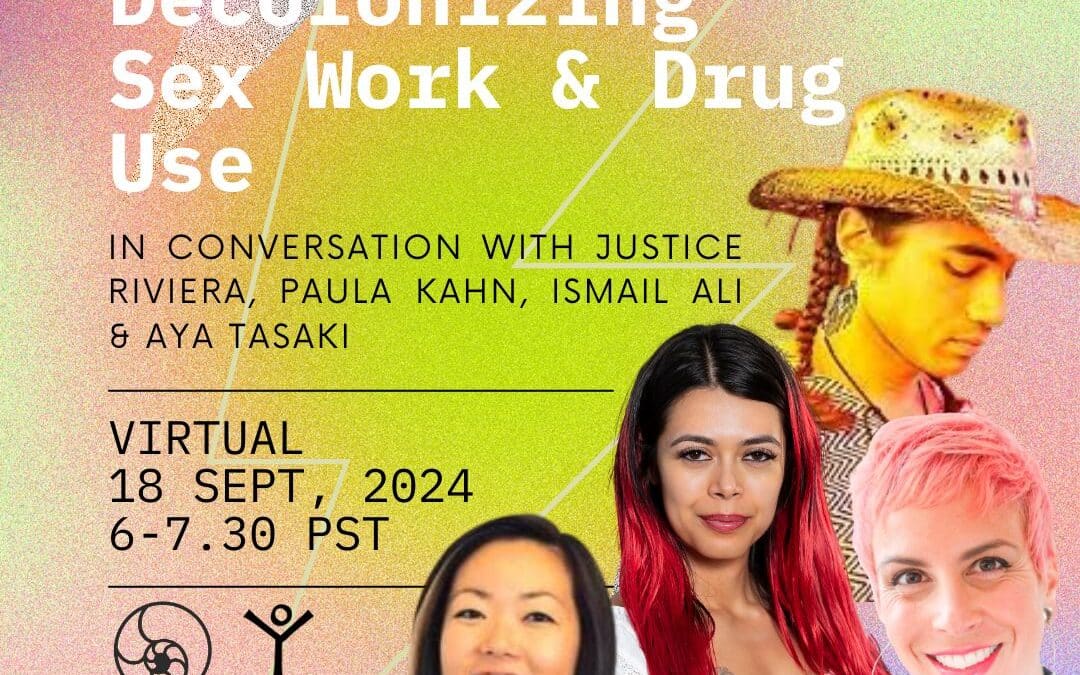
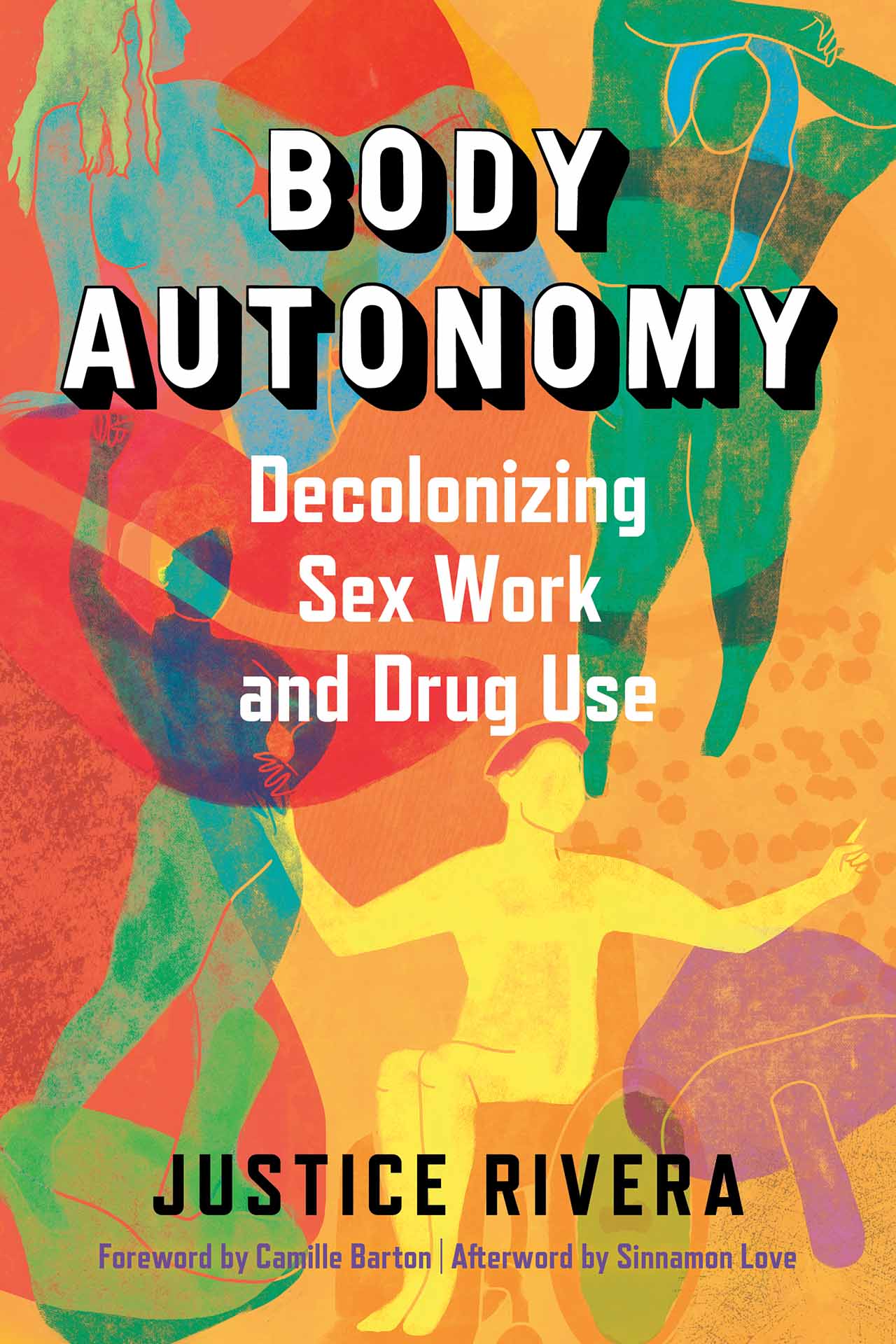
Body Autonomy: Decolonizing Sex Work & Drug Use Panel Discussion

Body Autonomy: Decolonizing Sex Work & Drug Use Panel Discussion


WEDNESDAY, SEPT 18, 2024, 6:00-7:00 PM EDT

Body Autonomy: Decolonizing Sex Work & Drug Use Panel Discussion – Virtual Event


Join us on September 18th at 6:00 PM PST for an enlightening virtual discussion co-hosted by City Lights and Synergetic Press. This special event will feature a panel of remarkable voices, including Justice Riviera, Paula Avila Kahn, Ismail L. Ali, and Aya Tasaki, as they dive into the transformative anthology Body Autonomy: Decolonizing Sex Work & Drug Use.

This discussion will explore the critical themes of bodily autonomy, touching on the intertwined needs for touch, consciousness exploration, and the systemic suppression of these experiences. As we navigate an era where sex positivity and psychedelics are increasingly embraced by the privileged, Body Autonomy sheds light on the harsh realities faced by marginalized communities, who continue to suffer from criminalization and health inequities.

The panelists will unpack the ideological wars on body autonomy, drawing connections between the criminalization of sex work, the War on Drugs, and the violent policing that perpetuates these injustices. By emphasizing healing-centered harm reduction practices and decolonial perspectives, this conversation aims to uplift the right to freedom in one’s own body, paving the way for a future rooted in compassion and embodied liberation.

Don’t miss this opportunity to engage with the authors and contributors of Body Autonomy as they invite us to imagine a world beyond punishment and inequity, where survival, healing, and self-sovereignty are at the forefront of our collective consciousness.


Register for Free


About the Panelists


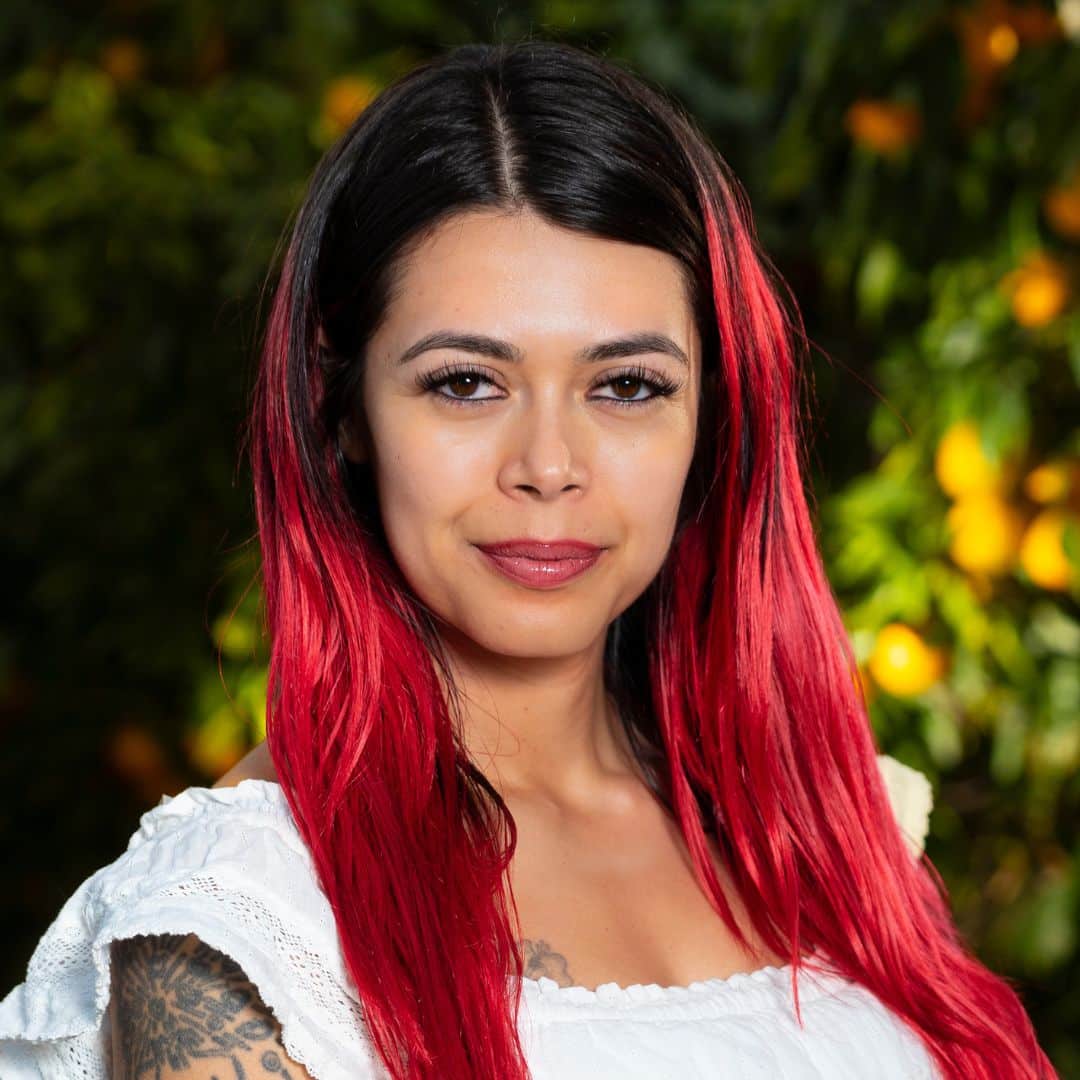
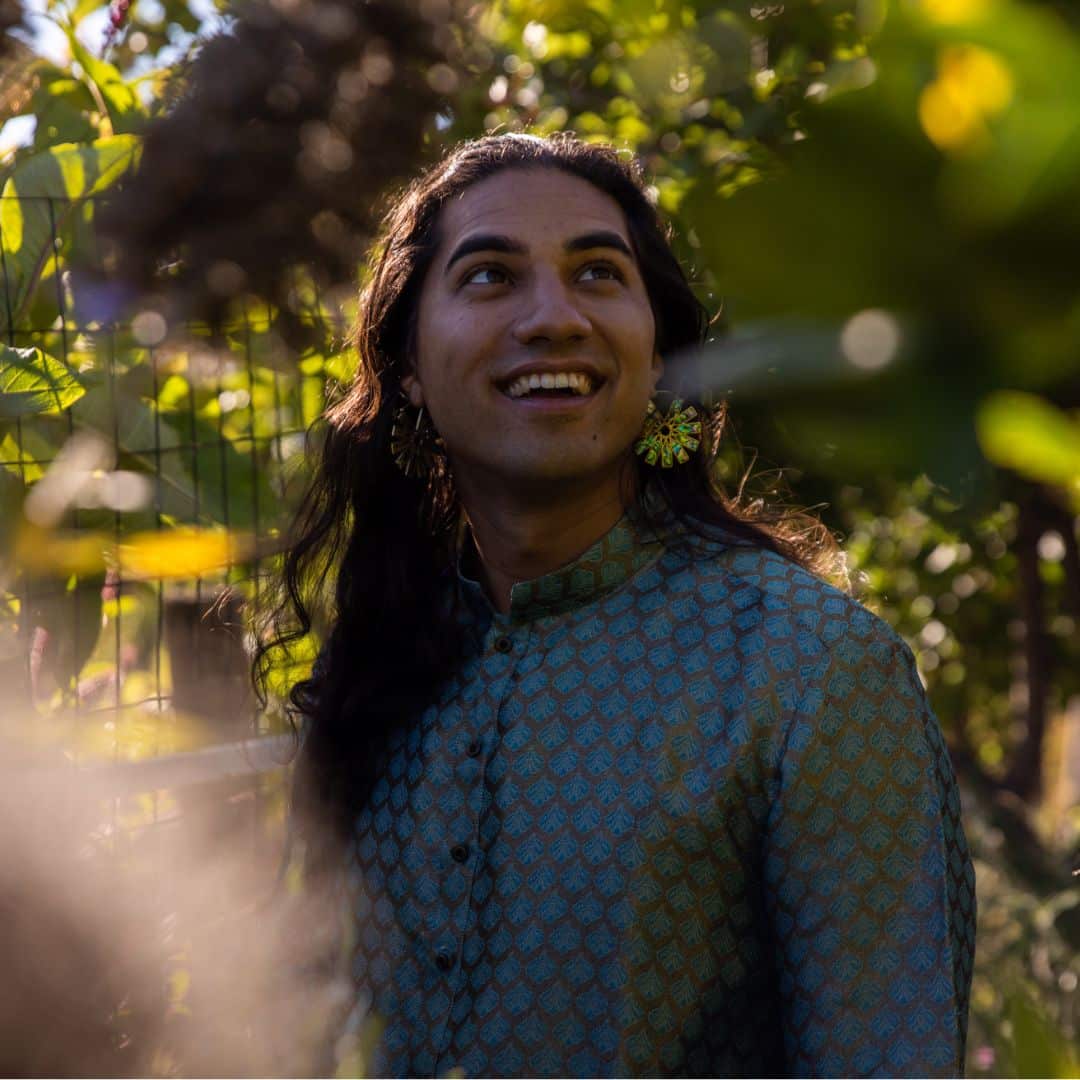
Justice Rivera (she/they; ella/elle) is a writer, social justice consultant, harm reductionist, and pleasure activist based in San Juan, Puerto Rico. Justice’s professional and artistic work is grounded in principles of harm reduction, anti-oppression, and healing justice. Her expressions, which come in many forms, seek to deconstruct carceral and punishment-driven paradigms to race, gender, and bodily autonomy. Justice has worked to provide direct services, organizing leadership, and capacity building support to people in the sex trade, survivors of trafficking, and people who use drugs in Denver, Washington DC, Seattle, and nationally. She is now a Partner with the QPOC-led harm reduction consulting company Reframe Health and Justice. This anthology was compiled in part through her 2019 Open Society Foundation Soros Justice Media Fellowship. When she isn’t working, Justice loves to travel, cook, volunteer, and play with her cat, friends, and family. Follow Justice on X @justice_writes and IG @justicerivera_writes. Follow Reframe Health and Justice on Instagram @harmreductionfemmes
Paula Kahn is an artist, movement strategist, MPH candidate, and hxstory nerd working at the intersections of Indigenous rights; racial, migrant, environmental, and healing justice; drug policy; feminism; historical memory; and decarceration and demilitarization. Paula is interested in the roles of plants, psychoactives, ceremony, ritual and collective experiences in building historical memory, designing and implementing disarmament, demobilization, reintegration, and genocide prevention initiatives. They currently focus on abolishing the mass incarceration of immigrants in the US and enjoy building transnational networks for planetary rematriation. Born and raised in the working-class suburbs of Los Angeles, Paula descends from Mayan, Ashkenazi Jewish, and Iberian ancestries. Find out more about Paula @plurproductions on Instagram.


Ismail Lourido Ali, JD (he/him or they/them) has been personally utilizing psychedelics and other substances in celebratory and spiritual contexts for over half his life, and has been actively participating in the drug policy reform movement for a decade. Ismail co-founded and co-chairs the Board of the Psychedelic Bar Association and is licensed to practice law in the state of California. Ismail advises, is formally affiliated with, or has served in leadership roles for numerous organizations in the drug policy ecosystem, including Students for Sensible Drug Policy, Chacruna Institute, the Ayahuasca Defense Fund, and Alchemy Community Therapy Center (formerly Sage Institute).


Aya Tasaki, Aya Tasaki, based in Los Angeles, CA, US, is currently a Associate Director of Philanthropic Engagement at National Network of Abortion Funds. Aya Tasaki brings experience from previous roles at National Network of Abortion Funds, Womankind, Rising Above Violence and Community Development Project – Urban Justice Center. Aya Tasaki holds a 2013 – 2016 Juris Doctor (J.D.) @ Benjamin N. Cardozo School of Law, Yeshiva University. With a robust skill set that includes Japanese, Social Media, Public Speaking, Teaching English, Immigration and more.


FDA Taps the Brakes on MDMA Therapy Approval

FDA Taps the Brakes on MDMA Therapy Approval


More Clinical Trials for MDMA, says the FDA

The U.S. Food and Drug Administration (FDA) recently made a pivotal decision regarding the approval of MDMA (3,4-methylenedioxymethamphetamine) as a therapeutic treatment for Post-Traumatic Stress Disorder (PTSD). Despite a growing body of evidence supporting MDMA’s potential benefits when used in a controlled therapeutic setting, the FDA has decided to tap the brakes on MDMA treatment at this time, citing the need for further clinical trials. This decision, while met with both criticism and support, highlights the complexities and challenges inherent in integrating novel therapies into the medical mainstream.

Lykos Therapeutics — Key Advocates of MDMA-Assisted Therapy

Lykos Therapeutics, a company at the forefront of mental health innovation, has been a key player in advocating for MDMA-assisted therapy for PTSD. Their application to the FDA was built upon data from multiple Phase 3 clinical trials, which demonstrated significant potential for MDMA when combined with psychotherapy. In these trials, approximately two-thirds of participants who underwent three MDMA-assisted therapy sessions no longer met the criteria for PTSD, a compelling outcome that has attracted considerable attention from the medical community and advocates for alternative mental health treatments.

However, the FDA’s decision to withold approval pending further clinical trials, underscores its cautious stance on introducing new therapeutic modalities, especially those involving substances with complex histories like MDMA. The agency’s request for additional Phase 3 studies before granting approval is reflective of a broader, more conservative approach to the adoption of novel treatments. This decision, while disappointing to many, emphasizes the importance of thorough and comprehensive evidence in the drug approval process. 

Criticism and Concerns: A Debate on Regulatory Standards

The FDA’s decision has sparked a debate within the scientific and medical communities, with critics questioning the agency’s evaluation process. Notably, concerns have been raised about the composition of the advisory committee involved in the decision-making process. It has been noted that only one member of the committee possessed specific expertise in psychedelics, leading some to argue that the committee may have misunderstood or underappreciated certain aspects of MDMA-assisted therapy. This has ignited discussions about the adequacy of the current regulatory framework in assessing emerging treatments, particularly those that fall outside the conventional pharmaceutical model.

MDMA remains classified as a Schedule I controlled substance in the United States, a category reserved for drugs with a high potential for abuse and no accepted medical use. This classification has historically impeded research into its therapeutic potential, despite anecdotal and clinical evidence suggesting otherwise. The stigma associated with MDMA, commonly known as ecstasy or molly in its illicit forms, has further complicated efforts to explore its medical applications. This history of recreational abuse, coupled with its current legal status, presents significant hurdles for researchers and clinicians who see promise in its therapeutic potential.

The Therapeutic Potential of MDMA in PTSD Treatment

The potential of MDMA to treat PTSD lies in its unique ability to facilitate emotional processing in therapy. Unlike traditional pharmacological treatments for PTSD, which often focus on symptom management, MDMA-assisted therapy aims to address the root causes of trauma. MDMA is known to induce feelings of empathy, openness, and emotional connection, creating a therapeutic environment where patients can explore traumatic memories without being overwhelmed by anxiety or fear.

This therapeutic approach is grounded in the idea that trauma is not merely a condition to be managed, but an experience that can be processed and integrated into one’s life with the right support. The results from clinical trials conducted by Lykos Therapeutics are promising, with many participants experiencing significant reductions in PTSD symptoms. However, the FDA’s insistence on additional trials highlights the necessity of establishing long-term safety and efficacy data. This demand for further research is not without merit, as it ensures that any new treatment introduced into the medical mainstream is backed by robust evidence.

Pioneers in Psychedelic Research

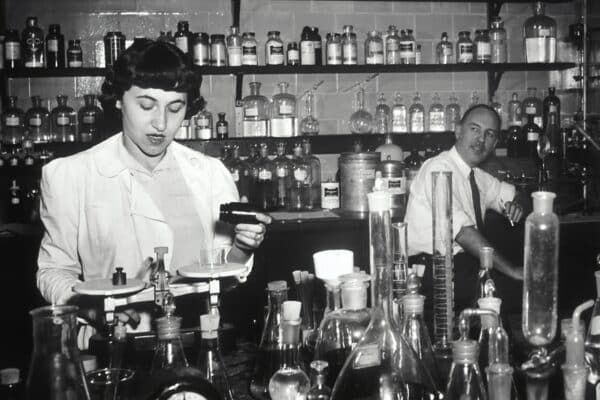
To fully appreciate the current landscape of MDMA research, it is helpful to know the pioneering work of Alexander and Ann Shulgin, often revered as the “godparents of ecstasy.” Their contributions to the field of psychopharmacology have had a profound impact on the understanding and exploration of MDMA and other psychoactive substances. Driven by a deep curiosity about the human mind and a belief in the therapeutic potential of psychedelics, the Shulgins’ work laid the foundation for the modern resurgence of interest in these substances.

Alexander “Sasha” Shulgin, a chemist and pharmacologist, is best known for his rediscovery and popularization of MDMA in the late 20th century. Although MDMA was first synthesized in 1912 by the German pharmaceutical company Merck, it remained largely forgotten until Shulgin encountered it in the 1970s. His interest in MDMA was sparked by its unique properties, which seemed to induce profound emotional openness and empathy without the intense hallucinations characteristic of other psychedelics.

Shulgin’s experimentation with MDMA, alongside his wife Ann Shulgin, a psychotherapist, was marked by a rigorous yet deeply personal approach. The Shulgins combined scientific methodology with personal experimentation, meticulously documenting their findings. This hands-on approach allowed them to explore the subjective experiences associated with MDMA and other psychoactive substances, providing invaluable insights into their therapeutic potential.

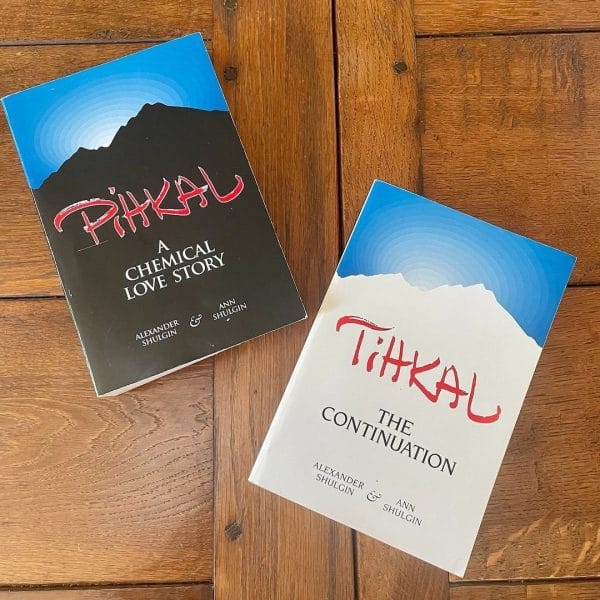
Their work culminated in the publication of two seminal books, PiHKAL (Phenethylamines I Have Known And Loved) and TiHKAL (Tryptamines I Have Known And Loved). These books are not merely chemical encyclopedias; they are also autobiographical accounts of the Shulgins’ journey through the world of psychedelics, offering a unique blend of chemistry, personal narrative, and philosophical musings on the nature of consciousness and the mind.

A foundation has been established in their name, https://shulginfoundation.org/, preserving their legacy and advancing the research.


MDMA: From Controversy to Therapeutics

The journey of MDMA from a little-known chemical compound to a potentially groundbreaking treatment for PTSD is a story of scientific discovery, cultural evolution, and ongoing controversy. MDMA’s history is marked by periods of intense interest and skepticism, reflecting broader societal attitudes toward psychedelics and their role in medicine. Initially synthesized in 1912, MDMA was not developed for any specific therapeutic purpose and remained largely ignored until the 1970s when Alexander Shulgin began experimenting with the compound. Shulgin’s rediscovery of MDMA and his subsequent advocacy for its use in psychotherapy opened the door to a new understanding of the drug’s capabilities.

MDMA’s effects on the brain are complex and multifaceted. The compound primarily acts by increasing the release of serotonin, a neurotransmitter associated with mood regulation, social behavior, and emotional processing. By enhancing serotonin levels, MDMA induces feelings of euphoria, empathy, and emotional openness, creating a state conducive to therapeutic work. In addition to its effects on serotonin, MDMA also influences the release of other neurotransmitters, including dopamine and norepinephrine, which play roles in reward, motivation, and arousal. This combination of neurochemical effects contributes to MDMA’s unique profile as a psychedelic substance that enhances emotional connection without the intense visual hallucinations associated with drugs like LSD or psilocybin.

The therapeutic potential of MDMA lies in its ability to create a supportive environment for patients to process traumatic memories. In the context of PTSD treatment, MDMA-assisted therapy involves a carefully controlled setting where patients receive the drug in conjunction with psychotherapy sessions. The goal is to help patients confront and work through their trauma in a way that is less overwhelming and more manageable.

A Path Forward

As the debate over the therapeutic use of MDMA and other psychedelics continues, the legacy of pioneers like Alexander and Ann Shulgin serves as a reminder of the importance of open-mindedness, scientific curiosity, and ethical responsibility in exploring the potential of these powerful substances. The Shulgins’ meticulous documentation of their experiences with MDMA provided a scientific basis for understanding its effects and potential uses, information that is now being revisited and expanded upon in modern clinical trials. The FDA’s decision, while a setback in the path for approval of MDMA-assisted therapy, but also reflects the rigorous standards required for introducing new treatments into the medical mainstream. 


For more insight into the FDA decision and next steps for the future of this therapeutic medicine, see:

Rick Doblin Unleashed: https://maps.org/news/update/fda-decision-redoubling-of-maps-efforts-and-lykos-board-resignation/

Lucid News: https://www.lucid.news/fda-denies-the-lykos-therapeutics-application-for-mdma-at-for-ptsd/

Chacruna Institute: https://chacruna.net/fda-rejection-of-mdma-assisted-therapy-what-is-next-for-the-psychedelic-movement/

How Psychedelics Support the LGBTQIA+ Community

How Psychedelics Support the LGBTQIA+ Community

Transforming Consciousness: How Psychedelics Support the
LGBTQIA+ Community

In the ever-evolving landscape of consciousness, psychedelics have emerged as profound tools for personal and collective transformation. The kaleidoscopic experiences they offer can range from light-hearted moments with friends in a garden, realizing our shared humanity as “floating gloobs of meat carcasses,” to deep, introspective journeys that question our actions, beliefs, and the very essence of our being. 

In recent years, the LGBTQIA+ community has faced an alarming increase in violence and discrimination. For instance, 2023 saw the tragic deaths of 320 transgender women worldwide, a stark reminder of the deadly prejudice and hatred that still exist. Many of these individuals were murdered in acts of violence fueled by transphobia. This pattern of violence is not limited to one region but is a global crisis, affecting countries across the Americas, Europe, Africa, and Asia. The Human Rights Campaign reports that 2021 was the deadliest year on record for transgender and non-binary people in the United States, with at least 47 known violent deaths.

These statistics reflect only the cases that are reported and properly identified, suggesting the actual numbers may be even higher. The violence against LGBTQIA+  individuals extends beyond physical attacks to include psychological abuse, harassment, and systemic discrimination in employment, housing, healthcare, and education. LGBTQIA+  youth, in particular, face significant challenges, including higher rates of homelessness due to family rejection and bullying in schools. This pervasive environment of hostility and exclusion contributes to the high rates of mental health issues within the community.

Psychedelics can be the answer to our debilitating and oppressive belief systems around our LGBTQIA+  friends, offering unique and transformative perspectives, not only for the difficulties the community faces, but for those holding a perspective of division, marginalization and targeting.

The Power of Psychedelics in Healing and Understanding

Psychedelics open doors to understanding the intricate dance between our masculine and feminine energies. Traditional views of gender, often rigid and binary, can be transcended through the expansive lens of psychedelic experiences. When we explore the realms of our consciousness, we begin to see beyond material forms and into the universal laws that govern our existence. This deeper understanding can be particularly liberating for LGBTQIA+  individuals who face constant scrutiny and violence based on their gender identities and expressions.

The Hermetic Principle of Gender, also known as the Principle of Masculine and Feminine, is one of the seven foundational principles outlined in the ancient Hermetic text, the Kybalion. This principle posits that gender exists in everything and manifests as both masculine and feminine energies. These energies are not confined to physical sex or societal gender roles but are present in all aspects of existence, including thoughts, behaviors, and creation processes. Masculine energy is typically associated with attributes like assertiveness, logic, and initiative, while feminine energy encompasses qualities such as intuition, nurturing, and receptivity. The interaction of these energies is essential for creation and balance in the universe. 

Understanding and harmonizing the masculine and feminine within oneself can lead to greater self-awareness and spiritual growth, transcending binary gender concepts and embracing a more holistic view of existence.

A Historical and Cultural Perspective

The use of psychedelics in LGBTQIA+  communities is not a new phenomenon. Many ancient tribes recognized and revered the existence of a third gender, integrating these individuals into their cultural and social frameworks in meaningful ways. The Zapotec people of Oaxaca, Mexico, acknowledge the Muxes, who embody a blend of masculine and feminine traits and often hold respected roles in their communities. Similarly, the Native American cultures across North America recognize Two-Spirit individuals, a term that encompasses a range of gender identities beyond the male-female binary. Two-Spirit people often held special roles as healers, shamans, and spiritual leaders. In South Asia, the Hijra community, which has a history dating back thousands of years, is considered a third gender and plays significant roles in religious and cultural ceremonies. These societies typically treated their gay and third-gender individuals with respect, recognizing their unique contributions and often attributing to them spiritual significance. This acceptance contrasts sharply with the often rigid and exclusionary views seen in many modern societies.

In South Asia, the Hijra community, which has a history dating back thousands of years, is considered a third gender and plays significant roles in religious and cultural ceremonies. The Hijras, often involved in spiritual practices, have a deep historical connection with traditional medicine and rituals, which sometimes include the use of psychoactive substances for divination and healing.

The Fa’afafine of Samoa, individuals who embody both masculine and feminine traits, also have historical roles that blend spirituality and community leadership. In various indigenous cultures in the Philippines, the Babaylan (shaman) could be male, female, or gender-variant individuals, often playing pivotal roles in healing and spiritual practices using local psychoactive plants.

These societies typically treated their gay and third-gender individuals with respect, recognizing their unique contributions and often attributing to them spiritual significance. This acceptance contrasts sharply with the often rigid and exclusionary views seen in many modern societies.

However, the history of psychedelics in the LGBTQIA+ community is complex. In the 1950s and 60s, LSD was misused in harmful gay conversion therapies. Yet, as psychedelic research has progressed, there has been a growing awareness of the need to dismantle oppressive structures within the psychedelic movement itself. 

The anthology Queering Psychedelics: From Oppression to Liberation in Psychedelic Medicine, produced by the Chacruna Institute, addresses these issues, advocating for greater accessibility and diversity in psychedelic science and practice. One of the key topics discussed in the anthology is the historical misuse of psychedelics in harmful practices such as gay conversion therapy. In the mid-20th century, substances like LSD were used coercively in attempts to change individuals’ sexual orientation, causing significant psychological harm. The anthology acknowledges these traumatic histories and emphasizes the importance of understanding and learning from these past abuses to prevent their recurrence.

The anthology also critiques the psychedelic movement’s history of exclusionary practices, where research and participation have often been dominated by cisgender, heterosexual individuals. It highlights how these practices have marginalized LGBTQIA+ voices and experiences, limiting the diversity and richness of psychedelic science. The authors call for a reevaluation of research methodologies and inclusion criteria to ensure that studies encompass a broader range of gender identities and sexual orientations.

Queering Psychedelics advocates for inclusive and affirming research practices that consider the unique needs and experiences of LGBTQIA+ individuals. This includes designing studies that specifically explore how psychedelics can address the mental health challenges faced by LGBTQIA+ communities, such as higher rates of depression, anxiety, and PTSD due to societal stigma and discrimination. The anthology underscores the importance of creating safe and supportive environments for LGBTQIA+ participants in both research settings and therapeutic contexts.

The collection highlights the healing potential of psychedelics for LGBTQIA+ individuals, particularly in terms of fostering self-acceptance, healing trauma, and enhancing spiritual well-being. Essays within the anthology discuss personal narratives and case studies where psychedelics have helped individuals come to terms with their identities, process past traumas, and build resilience in the face of ongoing societal challenges.

Queering Psychedelics also addresses the need for greater diversity within psychedelic spaces, including conferences, workshops, and community groups. It calls for the inclusion of LGBTQIA+ voices in leadership roles and as speakers and facilitators, ensuring that the community’s perspectives are represented and valued. The anthology encourages the establishment of LGBTQ-friendly psychedelic integration circles and support groups where individuals can share their experiences in a safe and affirming environment.

The Road to Liberation

The emotional and psychological toll on the LGBTQIA+ community is immense, driven by constant exposure to violence, discrimination, and trauma. From childhood bullying to systemic inequalities and hate crimes, LGBTQIA+ individuals often face a barrage of negative experiences that deeply impact their mental health. This community experiences higher rates of depression, anxiety, PTSD, and suicide compared to their heterosexual and cisgender counterparts. The constant need to navigate a world that frequently marginalizes and targets them adds layers of stress and trauma that can be overwhelming.

Psychedelics as a Healing Modality

Psychedelics offer a fast and conscious healing approach that can address these deep-seated wounds. These substances have shown great promise in treating mental health conditions by facilitating profound psychological and emotional breakthroughs. Psychedelics like psilocybin, MDMA, and ayahuasca have been studied for their ability to help individuals process trauma, enhance emotional resilience, and foster a sense of connectedness and self-acceptance.

In a recent article, April Short discusses the potential of psychedelics to help gay men heal from the trauma of AIDS. The AIDS crisis of the 1980s and 1990s left a lasting scar on the LGBTQIA+ community, particularly among gay men who witnessed and experienced immense loss and stigma. Psychedelics can offer a pathway to healing by enabling individuals to confront and process their grief and trauma in a safe and supportive environment. These substances can help individuals access buried emotions, reframe traumatic memories, and achieve a sense of peace and closure.

Creating Inclusive and Supportive Spaces

As we continue to explore the therapeutic potential of psychedelics, it is crucial to create inclusive and supportive spaces for LGBTQIA+ individuals. This means designing clinical trials and therapeutic sessions that are sensitive to the unique needs and experiences of LGBTQIA+ people. Practitioners should be trained in cultural competence and LGBTQIA+ issues to provide a safe and affirming environment.

Inclusive psychedelic spaces should celebrate diversity and promote a sense of belonging. This can be achieved through community-led initiatives, such as LGBTQIA+ friendly psychedelic integration circles, support groups, and educational workshops. These spaces allow individuals to share their experiences, offer mutual support, and build a sense of community.

By fostering environments that respect and celebrate diversity, we can harness the power of psychedelics to promote healing, understanding, and liberation for all. Psychedelics have the potential to dissolve barriers between individuals, enhance empathy, and foster a deeper understanding of the interconnectedness of all beings. This can lead to greater acceptance and compassion within the broader society.

Moreover, the integration of psychedelics into therapeutic practices for LGBTQIA+ individuals can empower them to reclaim their narratives and find strength in their identities. It can help them heal from past traumas, build resilience, and envision a future where they are free from discrimination and harm. As we move forward, it is essential to advocate for policies and practices that support the inclusion of LGBTQIA+ voices in psychedelic research and therapy, ensuring that the benefits of these substances are accessible to all who need them.


A Call for Compassion and Understanding

In summary, the potential of psychedelics to heal the emotional and psychological wounds of the LGBTQIA+ community is immense. By creating inclusive and supportive spaces, we can harness the transformative power of these substances to foster healing, understanding, and liberation for all.

The conversation around psychedelics and the LGBTQ community is multifaceted and ongoing. As we move forward, it is essential to challenge and dismantle the heteronormative and transphobic norms that have historically excluded LGBTQ individuals from the psychedelic movement. By doing so, we can create a more inclusive and compassionate world where differences are celebrated rather than punished.

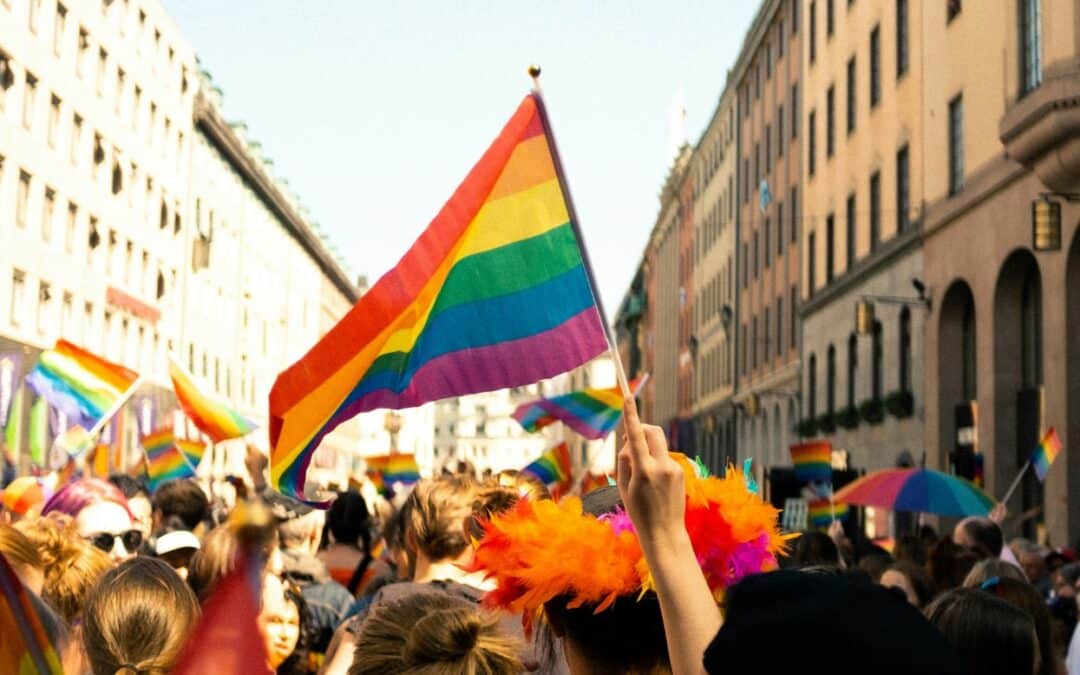
Featured photography by Upslash

Opening to Grief: Tools for Moving through Hard Times

Opening to Grief: Tools for Moving through Hard Times

This moment is heavy with grief—whether it be from the climate crisis, the conflict in Israel-Palestine, the war in Ukraine, or ongoing conflicts in the Congo, Sudan, Syria, and countless other crises.

Grief, defined as a deep sense of sorrow evoked by loss, is what we experience when something or someone we love dies, changes, or disappears. Although grief can feel challenging both emotionally and somatically, it is a state that ought not be pathologized in that it is a healthy response to losing something we love. Grief, in reminding us what we love, can also empower us to speak up against injustice, to gather in solidarity, and to nurture a world that supports life.

According to Martín Prechtel, author of The Smell of Rain on Dust: Grief and Praise, to open ourselves to grief is one of the greatest expressions of love and praise and performs a restorative, healing function when felt fully and expressed in that it honors what we miss, be it a person, a home, a way of life, or a country. He writes, “To truly and freely grieve as an entire people can revive an entire culture just as much as it can bring back to life an individual.” 

We at Synergetic Press value centering conversations around openness, mutual care, and compassion towards one another in these trying times. We recognize that even though there are no easy solutions or paths to meet the complexities and challenges that humanity collectively faces, as Joana Macy shared, “the most radical thing that any of us can do at this time is to be fully present to what is happening in the world.” As such, we have provided a list of resources and tools for helping you to feel more deeply as well as care for yourself and others in this moment of collective grief and heartache. 

Community Care, Resources, & Practices for Grief

Room for Grief by Reimagine & BACII – Hosted every third Thursday of the month, the Reimagine community opens its arms to those navigating loss with our Room for Grief sessions. Facilitated by volunteers, these peer-led, drop-in gatherings are for you, whether you’re looking to learn about grief or seeking support in your journey. We leverage art, creativity, and prompts to foster conversation and introspection. Designed for adults across generations, Room for Grief is your safe space when you need it.

The GEN Grief Toolkit by Camille Sapara Barton – Embodiment tools and rituals to support grief work in community 

Across Lines: Grief. with Bayo Akomolafe, Professor Sa’ed Atshan, and Cecilie Surasky Starting from the premise that all people belong and all lives are grievable, the speakers will explore how honoring each other’s grief may allow us to reclaim each other’s humanity and perhaps shed light on a path forward to belonging in Israel-Palestine, for Muslims, Jews, and Christians, and for all people around the world. Bayo, Sa’ed, and Cecilie will journey into what it might be like to glimpse at the world through tears: what visions are possible when we postpone the compulsion to see everything clearly?

Books on Grief and Loss 

Tending Grief: Embodied Rituals for Holding Our Sorrow and Growing Cultures of Care in Community by Camille Sapara Barton

An embodied guide to being with grief individually and in community—practical exercises, decolonized rituals, and Earth-based medicines for healing and processing loss

The Smell of Rain on Dust: Grief and Praise by Martín Prechtel 

Inspiring hope, solace, and courage in living through our losses, author Martín Prechtel, trained in the Tzutujil Maya shamanic tradition, shares profound insights on the relationship between grief and praise in our culture–how the inability that many of us have to grieve and weep properly for the dead is deeply linked with the inability to give praise for living. 

World as Lover, World as Self by Joanna Macy

An enduring classic of the ecology movement by the founder of the Work That Reconnects, now more timely than ever. Humanity is in an existential crisis. Facing the magnitude of our global situation as individuals leaves us feeling alone, disempowered, and despairing. Who better to listen to for wisdom and solace than Joanna Macy, one of the originators of modern environmentalism, whose life’s work has been to hear and heal our pain for the planet?

The Wild Edge of Sorrow: Rituals of Renewal and the Sacred Work of Grief by Francis Weller

Noted psychotherapist Francis Weller provides an essential guide for navigating the deep waters of sorrow and loss in this lyrical yet practical handbook for mastering the art of grieving. Describing how Western patterns of amnesia and anesthesia affect our capacity to cope with personal and collective sorrows, Weller reveals the new vitality we may encounter when we welcome, rather than fear, the pain of loss. Through moving personal stories, poetry, and insightful reflections he leads us into the central energy of sorrow, and to the profound healing and heightened communion with each other and our planet that reside alongside it.

Rebellious Mourning: The Collective Work of Grief edited by Cindy Milstein

We can bear almost anything when it is worked through collectively. Grief is generally thought of as something personal and insular, but when we publicly share loss and pain, we lessen the power of the forces that debilitate us, while at the same time building the humane social practices that alleviate suffering and improve quality of life for everyone. Addressing tragedies from Fukushima to Palestine, incarceration to eviction, AIDS crises to border crossings, and racism to rape, the intimate yet tenacious writing in this volume shows that mourning can pry open spaces of contestation and reconstruction, empathy and solidarity. With contributions from Claudia Rankine, Sarah Schulman, David Wojnarowicz, Leanne Betasamosake Simpson, David Gilbert, and nineteen others.

Waking Up to the Dark: The Black Madonna’s Gospel for An Age of Extinction and Collapse by Clark Strand

Is darkness synonymous with ignorance and evil? Or is it the original matrix from which all life emerges, and the Mother to whom it returns? Higher and higher levels of artificial illumination have suppressed our contact with the numinous since the Industrial Revolution, with dire consequences for society, our planetary ecology, and our souls. This mystical testament weaves together paleobiology, memoir, history, science, and spiritual archaeology to lead readers back into the lost mysteries of the dark.

Organizations You Can Support (Grief and Love in Action)

When contributing to humanitarian efforts in Israel-Palestine or elsewhere, make sure to exercise caution to avoid donating to fraudulent organizations. The Federal Trade Commission recommends researching charities by adding terms like “complaint,” “review,” “rating” and “scam” to their names in your search to identify any potential red flags. Given the abundance of misinformation on social media about the Israel-Hamas conflict, it is crucial to ensure that your donations go to legitimate and effective organizations.

  1. Doctors without Borders/Médecins Sans Frontières (MSF) – an organization that provides medical assistance to people affected by conflict, epidemics, disasters, or exclusion from healthcare. Their teams are made up of tens of thousands of health professionals, logistic and administrative staff – most of them hired locally, guided by medical ethics and the principles of impartiality, independence and neutrality.
  1. The Palestinian Children’s Relief Fund – an organization that provides free medical care to thousands of injured and ill children yearly who lack local access to care within the local health care system.  Over the years, they’ve sent over 2,000 affected children abroad for free medical care, sent thousands of international doctors and nurses to provide tens of thousands of children free medical care in local hospitals, and provided tens of thousands of children humanitarian aid and support they otherwise would not get.  
  1. The International Rescue Committee – a nonprofit organization that helps people affected by humanitarian crises—including the climate crisis—to survive, recover and rebuild their lives.

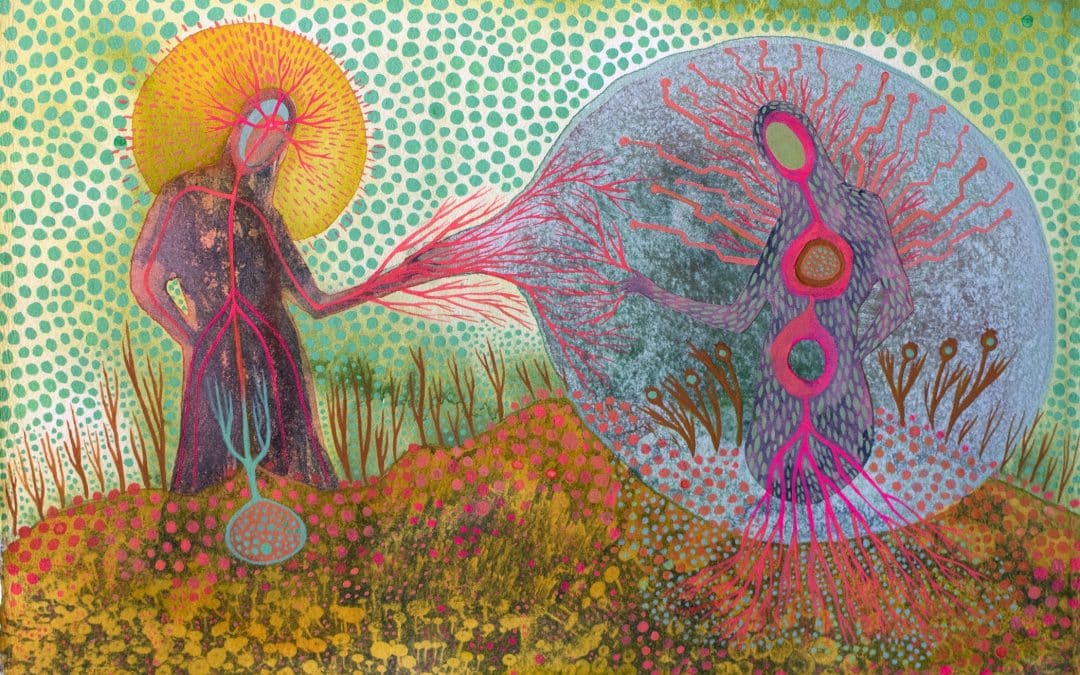
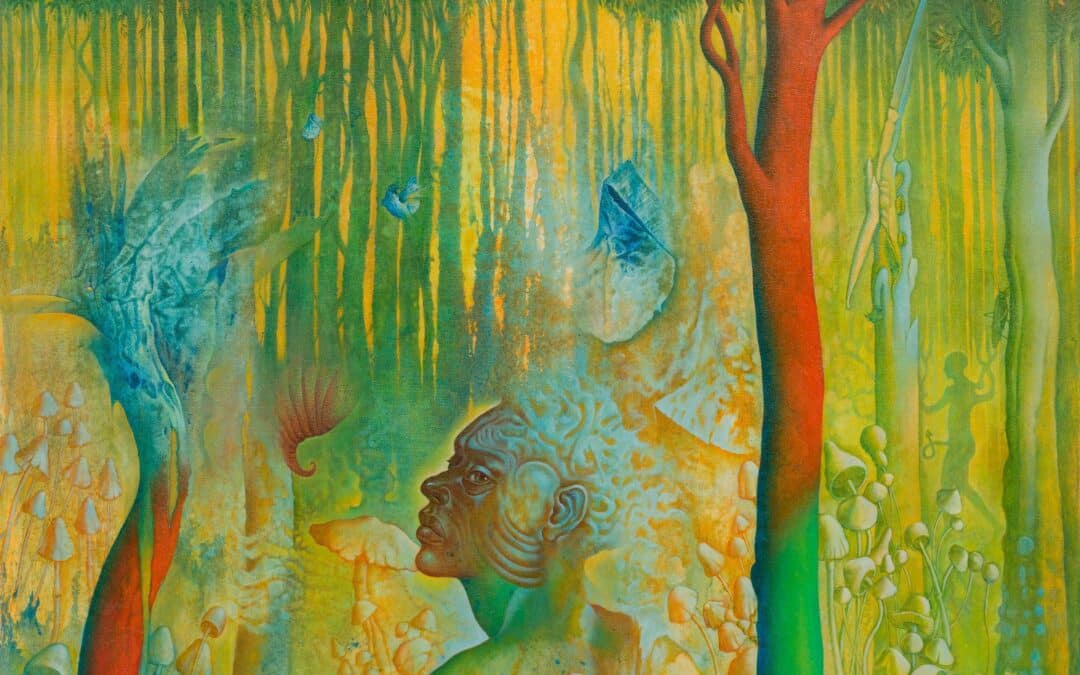
Artwork credit: “Receptor” 2021 by Ashley Blanton. Follow her work here: https://www.instagram.com/faint.as.fog/

Indigenous Food Sovereignty: Nourishing Communities, Preserving Cultures

Indigenous Food Sovereignty: Nourishing Communities, Preserving Cultures

Indigenous food sovereignty stands as a critical pillar in the struggle for self-determination and cultural preservation among Indigenous communities worldwide. Rooted in the profound connection between land, culture, and sustenance, this concept embodies the right of Indigenous peoples to define their own food systems, free from external interference. Scholars and activists like Vandana Shiva and Winona LaDuke have played instrumental roles in articulating the importance of Indigenous food sovereignty, emphasizing its role in fostering sustainable practices, biodiversity conservation, and cultural resilience.

Vandana Shiva’s Perspective: Resisting Corporate Control

Vandana Shiva, an environmental activist, scholar, and author, has been a staunch advocate for seed sovereignty and the protection of Indigenous knowledge systems. She highlights the encroachment of agribusiness giants and the threat they pose to traditional food systems. Shiva argues that the commodification of seeds and the imposition of genetically modified organisms (GMOs) infringe upon the rights of Indigenous communities to save, exchange, and cultivate their traditional seeds, limiting biodiversity for future generations.

In the context of Indigenous food sovereignty, Shiva emphasizes the significance of seed sovereignty as a means of reclaiming control over the food production process. When Indigenous communities have the autonomy to safeguard and share their native seeds, they simultaneously protect their biodiversity and cultural heritage. Shiva’s work underscores the importance of resisting corporate control to ensure that Indigenous peoples can maintain their traditional agricultural practices.

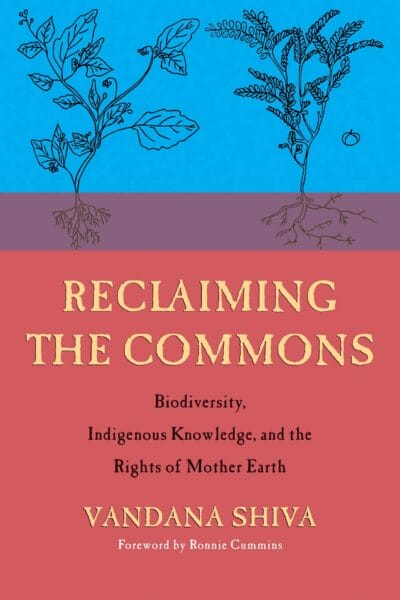
In her book, Reclaiming the Commons: Biodiversity, Indigenous Knowledge, and the Rights of Mother Earth, Shiva explores the ways in which Indigenous and traditional communities do not see themselves as separate from the natural world, with Western culture only just catching up to this understanding. She writes, “What our Indigenous communities already embodied in their worldview of the commons as a way of life is now slowly being moved towards by the rest of the world. In gradually tracing our way back we are walking forward into a future embracing that liminality and inseparability between the communities and their common resources. Between us and our environment.” 

Winona LaDuke’s Advocacy: Land as the Foundation

Winona LaDuke, an Anishinaabe activist and environmentalist, has been a prominent voice in the fight for Indigenous rights and sustainable development in North America. LaDuke places a particular emphasis on the centrality of land to Indigenous identity and food sovereignty. For many indigenous communities, land is not merely a resource; it is a sacred space intertwined with cultural practices, spirituality, and sustenance.

As LaDuke writes in Recovering the Sacred: The Power of Naming and Claiming, “The recovery of the people is tied to the recovery of food, since food itself is medicine: not only for the body, but for the soul, for the spiritual connection to history, ancestors, and the land.”

LaDuke contends that the loss of land and the degradation of natural resources disrupt Indigenous food systems, contributing to the erosion of cultural practices and community resilience. In her work, she advocates for policies that recognize and respect Indigenous land rights, enabling communities to manage their territories in ways that align with their cultural and ecological values.

The Interconnectedness of Food, Culture, and Ecology

The Indigenous Food Sovereignty movement aims to provide Indigenous communities with the ability to have autonomy over their own food systems, undoing the century-old colonialist food policies that have hampered their ability to control and determine their foodways. ⁠⁠

Historically speaking, food insecurity for native peoples was largely caused by colonial encroachment upon their lands, the devastation of traditional fishing, hunting, and harvesting areas, the vulnerability of populations to diseases, and the resultant depletion of cultural knowledge. The United States’ historical colonial legacy has profoundly disrupted the ancestral relationship between Indigenous Peoples and their land-based food systems.

Indigenous food sovereignty includes creating access to healthy food options, integrating and sustaining ancestral farming and food practices, as well as cultivating a living relationship with the land, and reinforcing value systems that honor interconnection.⁠⁠

Attempts to assimilate the Indigenous peoples of North America into Euro-American society included calculated attempts to decimate Indigenous food supplies, and so the practice of food sovereignty is an act of healing. ⁠⁠

Both Shiva and LaDuke highlight the interconnectedness of food, culture, and ecology within the framework of Indigenous food sovereignty. Indigenous food systems are not solely about sustenance; they are a manifestation of cultural identity and a repository of traditional knowledge passed down through generations. By protecting and revitalizing these food systems, Indigenous communities assert their right to maintain their distinct ways of life.

Furthermore, the emphasis on sustainable and regenerative agricultural practices inherent in Indigenous food sovereignty aligns with broader global efforts to combat climate change. Indigenous communities often serve as stewards of diverse ecosystems, promoting biodiversity and resilient agricultural methods that contribute to environmental conservation on a global scale.

Conclusion

Indigenous food sovereignty is a crucial element in the broader struggle for Indigenous rights and environmental justice. Vandana Shiva and Winona LaDuke’s work underscores the need to recognize and respect the autonomy of Indigenous communities in shaping their food systems. By safeguarding traditional seeds, reclaiming control over land, and promoting sustainable practices, Indigenous peoples assert their right to nourish their communities while preserving their ancestral heritage.

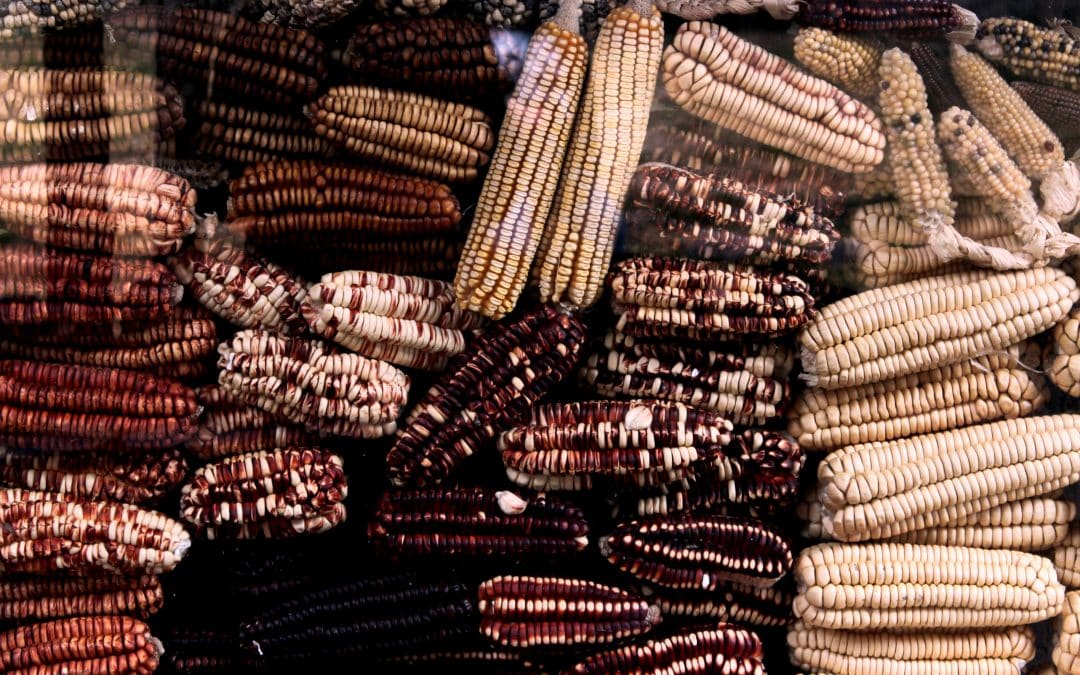
Photo by julian mora on Unsplash

Preserving Indigenous Wisdom and Spiritual Legacy

Preserving Indigenous Wisdom and Spiritual Legacy

The Legacy of Bear Heart


From our heart to yours. 

“Reading this masterfully architectured book, you will know Bear, and you will know your own heart, and you will know a man about whom not enough can possibly be written – Bear Heart, Keeper of the Sacred Wisdom of the Muscogee Creek Nation, healer, warrior and storyteller who lives on not only in the Forest of Spirit but with us here in the Land of the Seeking. Deep deep gratitude to Bear Heart’s life partner, Reginah WaterSpirit, through whose art and writings, the invaluable teachings of Bear Heart will live on and on far beyond any of us.”
Rabbi Gershon Winkler 

Beart Heart was a Muscogee Creek Native American Church Road Man with a talent for seeing people as individuals, and for making them feel seen and special in their own ways. 

He was born in Oklahoma in 1918 and was a member of the Bear Clan dedicating his life to bridging the gap between indigenous traditions and the modern world. He traveled the globe, sharing the wisdom of his ancestors through storytelling, lectures, and workshops. His teachings focused on the importance of balance, harmony with nature, and the interconnectedness of all living beings.

Bear Heart teachings reflect the spiritual depth of indigenous cultures. His stories and insights provide a unique perspective on the interconnectedness of all life and the importance of living in harmony with nature continuing to inspire indigenous youth to embrace and celebrate their heritage. Their stories serve as a beacon of hope for those seeking to reconnect with their roots and traditions.

When Reginah would ask Bear Heart exactly how he made his medicine, he always answered, “I don’t make the medicine, it was here before me. I’ve been entrusted to be a caretaker of certain sacred ways.”

The Bear is my Father is not just a book; it is a profound testament to the enduring wisdom and spirituality of indigenous cultures. Bear Heart and Reginah Waterspirit, through their stories and teachings, leave a legacy that reminds us of the beauty and importance of preserving the traditions and values of indigenous communities. Their work serves as a bridge between the past and the present, inviting us all to learn from the wisdom of our ancestors and live in harmony with the Earth.

Pin It on Pinterest